Best Freediving School in the Gulf of Thailand
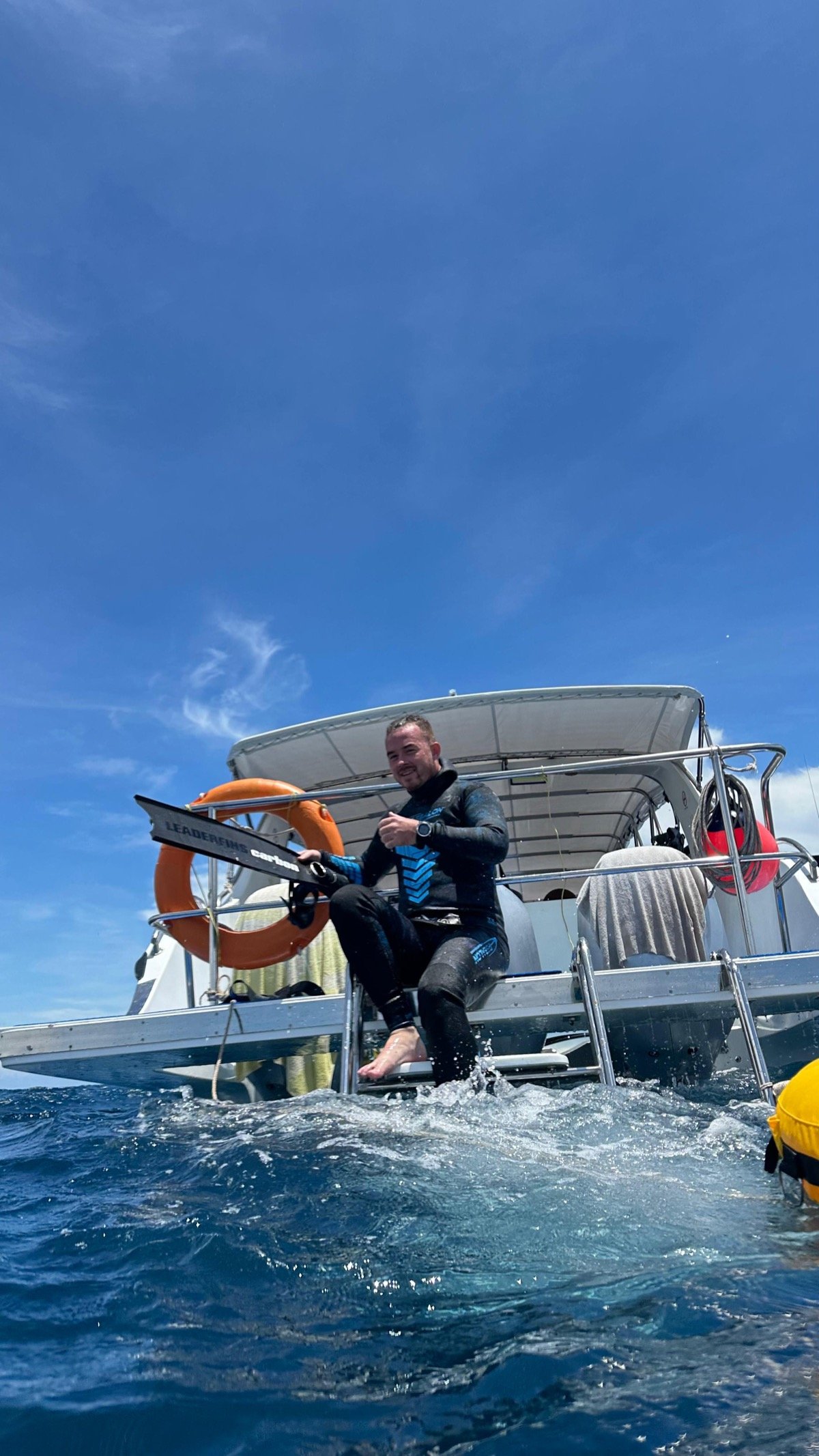
The Gulf of Thailand is one of the best places in the world to learn freediving. Warm water year round, world class dive sites like Sail Rock, and a concentration of freediving schools across three main islands: Koh Samui, Koh Tao, and Koh Phangan.
But "best" means different things to different people. This post breaks down what actually matters when choosing a freediving school in the Gulf, and how to tell the difference between a great school and one that is just popular.
What Makes a Freediving School Good
Before comparing specific schools and islands, you need to know what variables actually affect your experience. These are the factors that separate a course you will remember for years from one you wish you had researched more carefully.
Group size. This is the single most important factor. A freediving course with 3 students and 1 instructor is a fundamentally different experience from a course with 8 students and 1 instructor. With 3 students, your instructor watches every dive, coaches your equalization individually, and adjusts the pace to your progression. With 8 students, you wait in line at the surface while 7 other people take their turns.
Most schools on Koh Tao run 4 to 8 students per instructor. Some run more during peak season. Schools that advertise "small groups" sometimes mean 5 or 6, which is still double what genuine individual coaching requires.
Instructor quality. The certification agency matters less than the person teaching you. What you want is an instructor who freedives regularly (not just teaches), holds current safety certifications (first aid, oxygen administration), communicates clearly, and has the patience to work with students who learn at different speeds.
Ask about the instructor before booking. How long have they been teaching? Do they hold multiple certifications? How do they handle students who struggle with equalization? The answers tell you more than a website ever will.
Safety protocols. Emergency oxygen should be on every boat, every dive. This is not optional. It is not a luxury. It is a minimum safety standard that some schools skip because oxygen equipment is expensive and maintaining it takes effort.
Ask the school directly: "Do you carry emergency oxygen on the boat?" If the answer is anything other than an immediate yes, keep looking.
Dive sites. Training at a deep, interesting dive site is better than training in a shallow bay. Sail Rock, with its 40 meter depth and extraordinary marine life, provides a training environment that most freediving schools worldwide cannot match. Not every Gulf of Thailand school accesses Sail Rock. Some train at shallow reef sites that limit your depth progression and your experience.
Certification value. All major agencies (AIDA, Apnea Total, SSI, PADI Freediver, Molchanovs) produce internationally recognized certifications. The agency name on your card matters less than the quality of instruction you received. That said, make sure the school offers certification from a recognized body, not an in house card that nobody else accepts.
Koh Tao: The Freediving Factory
Koh Tao is the most popular island for freediving in the Gulf of Thailand. It has 10 or more competing freediving schools, a large backpacker and diver community, and a reputation as Thailand's diving capital.
The advantages are real. Competition keeps prices affordable (some schools offer courses under 9,000 THB). The social scene is active. You will meet other freedivers easily. The island has a genuine freediving culture that Koh Samui and Koh Phangan do not match.
The disadvantages are equally real. Group sizes at most Koh Tao schools range from 4 to 8 students. Training lines at popular sites like Japanese Gardens and Tanote Bay get crowded. During peak season (December to March), there can be 40 or more students from different schools sharing the same small dive site.
The island infrastructure is basic. Medical facilities are limited. Getting to Koh Tao requires a 2 hour ferry from the mainland or from Koh Samui. Accommodation options are more limited than Koh Samui, and prices during peak season spike.
Koh Tao is a good choice if you want a social, budget friendly experience and do not mind larger groups. It is not the best choice if individual coaching, safety, and comfort are your priorities.
Koh Phangan: The Middle Ground
Koh Phangan has a few freediving schools, fewer than Koh Tao but more options than Koh Samui. The island has a strong wellness and yoga community that overlaps with the freediving crowd.
Dive sites accessible from Koh Phangan include Sail Rock (roughly equidistant from all three islands) and several local sites around the island. The infrastructure is better than Koh Tao but not as developed as Koh Samui.
The Full Moon Party reputation can be misleading. The party scene is concentrated in Haad Rin. The rest of the island is quiet, green, and increasingly popular with digital nomads and wellness seekers.
Koh Phangan works well if you are already there for other reasons (yoga retreat, extended stay) and want to add freediving to your trip. As a standalone freediving destination, it does not offer the same advantages as Koh Samui for dive site access and infrastructure, or Koh Tao for community and price.
Koh Samui: Small Groups and Big Dive Sites
Koh Samui is the largest island in the Gulf. It has a domestic airport with direct flights from Bangkok, international hospitals, reliable wifi, diverse restaurants, and accommodation at every price point. Getting here is easy.
Freediving from Koh Samui means training at the same dive sites as Koh Tao schools (Sail Rock, Koh Tao itself) but in significantly smaller groups. Freediving Koh Samui runs a maximum of 3 students per instructor. No exceptions.
The Sail Rock boat trip from Koh Samui leaves earlier than Koh Tao boats, arriving at the site before the main fleet. This means cleaner water, fewer divers, and a more peaceful training environment during the most important part of the day.
Prices are slightly higher than the cheapest Koh Tao options (the Beginner Course is 9,500 THB) but significantly lower than comparable small group instruction in most countries. The value is in the coaching quality, not the price tag.
The downside is less of a freediving social scene compared to Koh Tao. You will not run into other freedivers at every bar. But you will get individual coaching, personal attention, and a course that adapts to your specific needs.
Blue Immersion and the Changing Landscape
If you researched freediving in the Gulf of Thailand before 2025, you likely came across Blue Immersion on Koh Tao. It was one of the most prominent freediving schools in Southeast Asia, known for instructor training and competitive freediving development.
Blue Immersion has since closed its operations. Students who would have trained there are now distributed across other schools in the Gulf. The closure created a gap in the market, particularly for students seeking high quality, structured instruction.
This shift means the remaining schools are absorbing more students. Schools that already had capacity constraints (most of Koh Tao) are running even fuller. For students who prioritize small groups and individual coaching, the advantage of choosing a school that caps its numbers becomes even more significant.
How to Choose: A Practical Checklist
When comparing freediving schools in the Gulf of Thailand, ask these questions:
What is the maximum group size? Get a number. "Small groups" is not a number. If the answer is 6 or more, you are sharing your instructor with too many people for optimal learning.
Where do you train? Sail Rock should be part of any serious Gulf of Thailand freediving course. If the school only trains at shallow local sites, your depth progression and experience will be limited.
Do you carry emergency oxygen? Non negotiable. If they hesitate or say "we have it at the shop," that means it is not on the boat.
Who is my instructor? Ask for their name, qualifications, and how long they have been teaching. A school that rotates instructors frequently may pair you with someone who started teaching last month.
What certification do I receive? It should be from a recognized agency: AIDA, Apnea Total, SSI, PADI Freediver, or Molchanovs.
What is included? Equipment, boat trips, certification fee, photos. Some schools advertise a low price and then charge extra for certification, equipment rental, or boat fees.
The Recommendation
If group size, individual coaching, safety, and dive site quality are your priorities, Koh Samui offers the best combination in the Gulf of Thailand. You train at the same world class sites with a fraction of the crowd. Every course runs with a maximum of 3 students, emergency oxygen on every boat, and an instructor who stays within arm's reach during every dive.
If budget is your primary concern and you do not mind larger groups, Koh Tao has more options at lower price points. The social scene is a genuine bonus.
If you are already on Koh Phangan and want to add freediving to your stay, the island has competent schools worth checking out.
Read the complete guide to freediving in Koh Samui for logistics, pricing, and dive site details. Or message us on WhatsApp to check available dates. Your certification is waiting.
About Diego Pauel
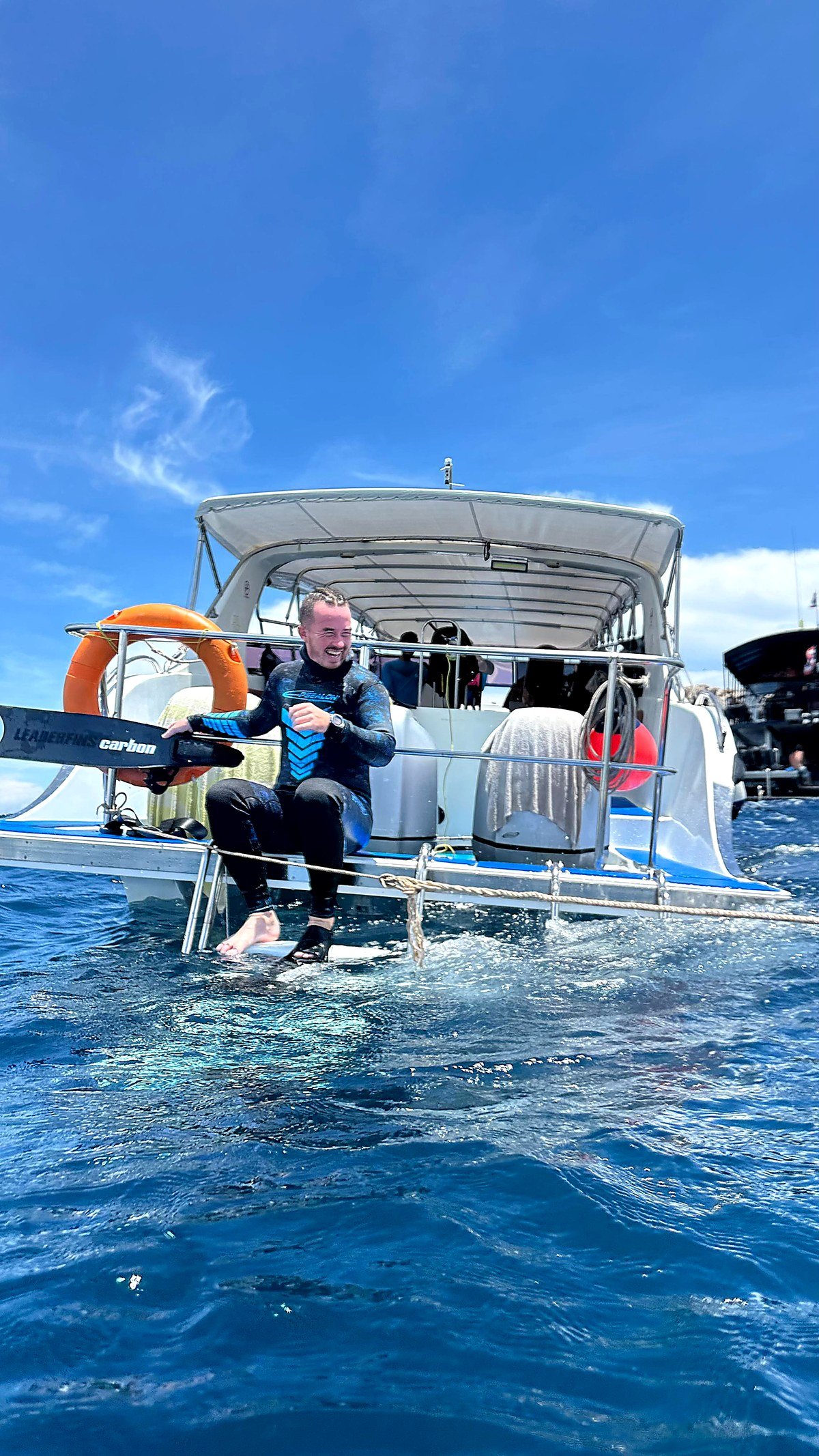
Diego has been teaching freediving from Koh Samui since 2021. He holds instructor certification from Apnea Total and additional credentials across six certification bodies: Oxygen Advantage, Breatheology, International Breathwork Foundation (IBF), Breathing Cold, and GPBA. Plus emergency oxygen administration and first aid.
Learn More →Ready to try freediving?
Message Diego on WhatsApp to check availability for your dates. No deposit needed.
Check Availability on WhatsAppContinue reading
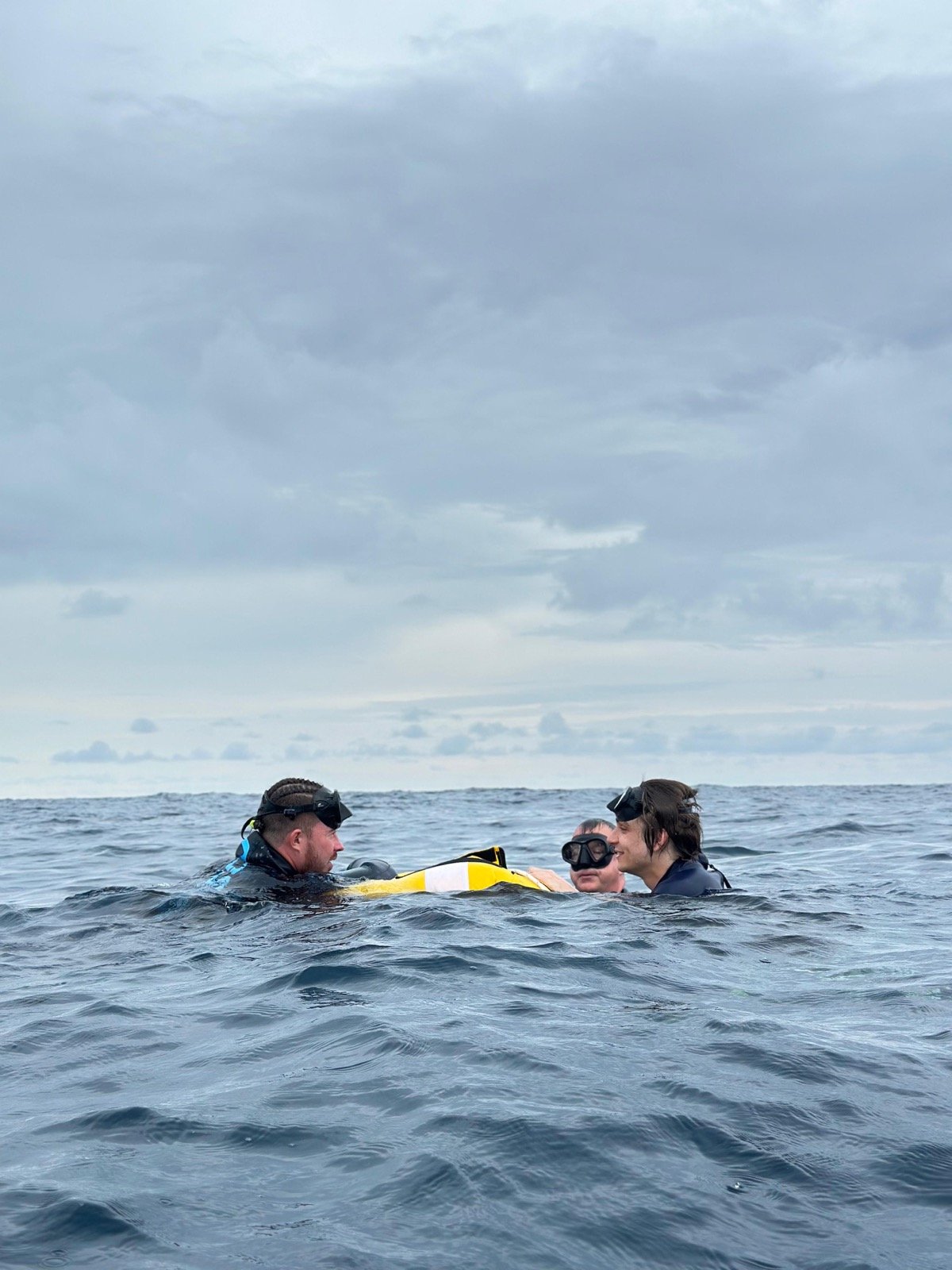
Freediving vs Snorkeling: What's the Difference and Which Should You Try?
Snorkeling and freediving both put you in the ocean, but the experience is completely different. Here is a clear breakdo
Read More →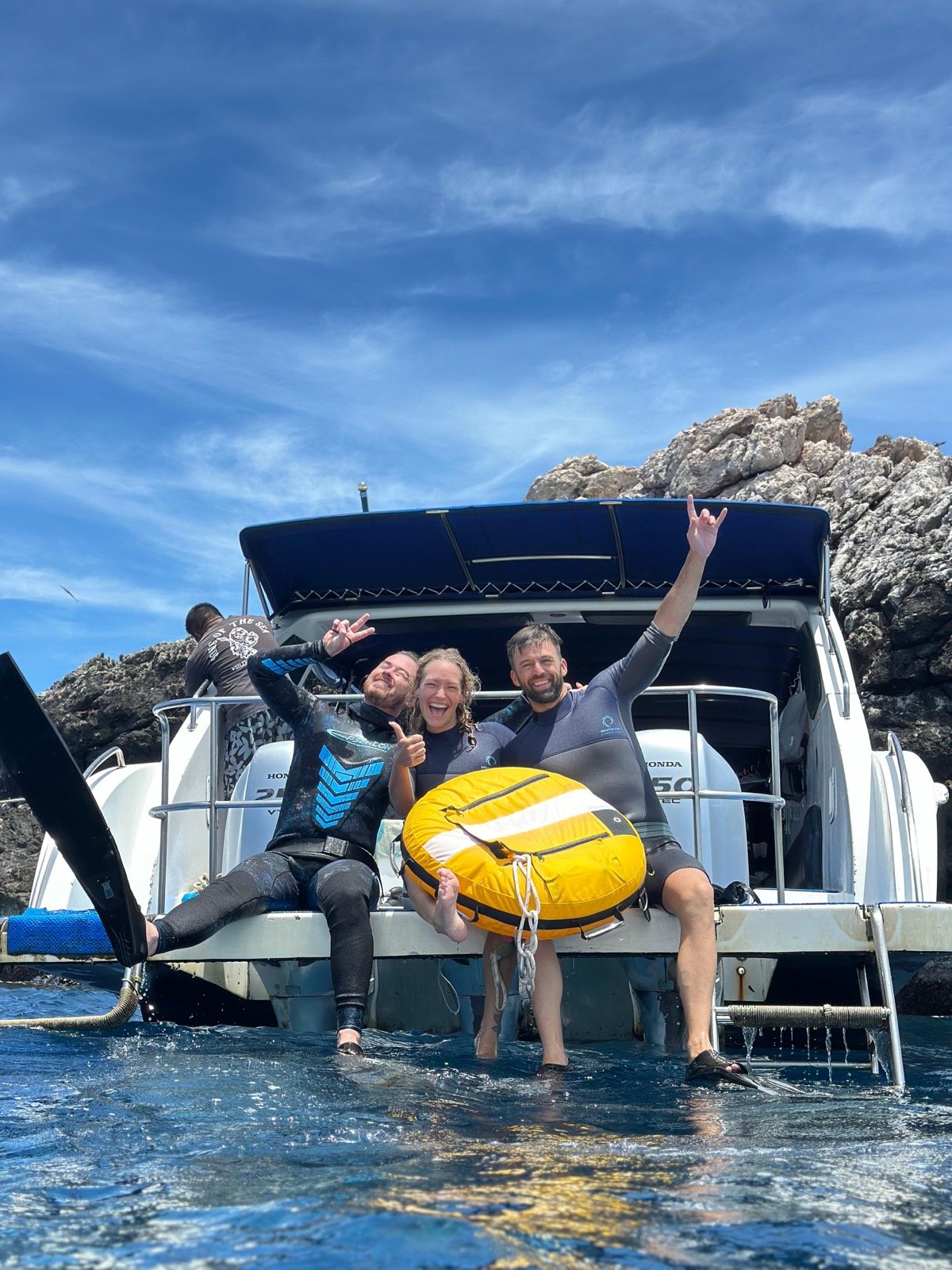
Freediving vs Scuba Diving: Which One Is Right for You
An honest comparison of freediving and scuba diving. Equipment, cost, training, experience, and which one suits you bett
Read More →
Freediving in Koh Phangan vs Koh Samui: Which Should You Choose?
Thinking about freediving in Koh Phangan? Honestly, Koh Phangan has almost no dedicated freediving schools — most dive
Read More →