Sail Rock: Why Freedivers Love This Gulf of Thailand Dive Site
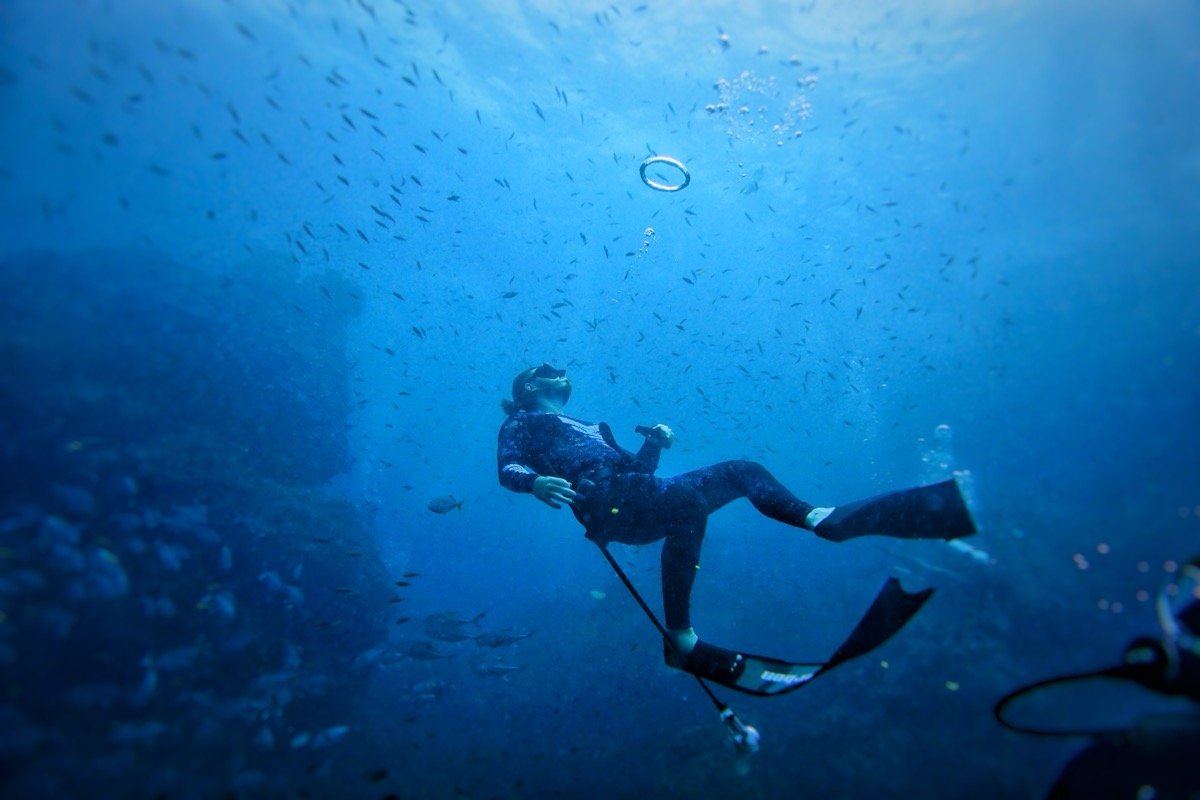
Sail Rock is the best dive site in the Gulf of Thailand. Scuba divers have known this for years. Freedivers are catching on.
A submerged pinnacle rising from 40 meters to just above the surface, Sail Rock sits in open water roughly between Koh Samui and Koh Tao. There is no reef to snag on, no boat traffic overhead, no murky shallows. Just a pillar of rock, deep blue water on all sides, and more marine life per square meter than anywhere else in this part of the Gulf.
This is what Day 3 of a freediving course on Koh Samui looks like. And it is why students book a second trip before they leave.
Where Is Sail Rock
Sail Rock (known locally as Hin Bai) sits in the Gulf of Thailand at approximately 10.0 degrees north latitude, between Koh Samui and Koh Tao. From Koh Samui, the boat ride takes roughly 90 minutes by longtail or 60 minutes by speedboat. From Koh Tao, it is 60 to 90 minutes depending on the departure point.
Both islands have equal access to the site. What changes is the timing. Boats from Koh Samui tend to leave earlier in the morning and arrive before the main fleet from Koh Tao. On a good day you get the site to yourself for the first hour or two. By 10 AM, the dive boats start showing up. By 11 AM, there are 10 boats mooring at once. The early start from Samui pays off.
The Dive Site
Sail Rock is a single submerged pinnacle. Its highest point breaks the surface and gives the site its name. The rock drops vertically to a platform at around 18 to 20 meters, then continues to the sandy bottom at 35 to 40 meters. Around the base, boulders and overhangs create shelter for the larger fish.
Visibility on a clear day reaches 20 to 25 meters. You can see the bottom from the surface. You can also see fish at 25 meters from your position at 5 meters, which makes every descent an experience worth watching.
The site is exposed to open water. There is no surrounding reef to break swell or current. On calm days, the surface is flat and the water is gin clear. On rougher days, the boat rolls and entry requires timing. Between February and June, conditions are generally excellent. October through December brings the most unpredictable weather in the Gulf.
The Chimney
The feature that defines Sail Rock for divers is the chimney. This is a vertical passage cut through the rock itself, dropping from the surface down to about 18 meters. You enter the chimney from above, swim down through a narrow shaft of rock, and emerge at the bottom of the pinnacle surrounded by schooling fish.
For scuba divers, the chimney is a guided penetration dive. For freedivers, it is something else entirely.
You float at the surface above the chimney opening. You take your preparation breath, duck dive, and pull yourself down through the shaft. The rock walls pass close on either side. Light from above fades and then reappears from below as you drop through. You emerge at 18 meters into open blue water with fish turning in every direction.
Then you turn and swim up. The chimney narrows slightly near the top and opens again at the surface. You watch the light grow as you ascend, take your recovery breaths at the surface, and spend the next five minutes trying to decide whether what you just did was real.
The chimney is accessible to certified freedivers who are comfortable at 18 to 20 meters. Beginners on Day 3 of a course typically reach the entrance but do not attempt the full descent until they have more depth experience. Your instructor makes the call based on where you are in your training.
Marine Life
Sail Rock has the most consistent marine life encounters in the Gulf of Thailand. Not occasional. Consistent.
Barracuda
The permanent residents of Sail Rock are a school of chevron barracuda. They form a loose tornado at around 5 to 15 meters depth, circling the top of the pinnacle. On any given day, you will find 50 to 200 barracuda rotating slowly around the rock. You can swim directly into the school. They part around you and close again behind you. The sound they make, the silver flicker of scales and the collective turn of the shoal, is one of the more memorable things you will experience in the water.
Batfish
Batfish appear in groups of 10 to 40 at Sail Rock, hovering at 5 to 15 meters. They are curious and will approach a calm, still freediver. Their flat, disc shaped bodies and trailing fins make them one of the most recognizable fish at the site.
Trevally and Grouper
Giant trevally and golden trevally school around the upper sections of the pinnacle, occasionally swooping through the barracuda swarms. At the base of the rock, around the 25 to 35 meter boulders, you will find large grouper including giant grouper that exceed a meter in length, often sitting motionless in the crevices. Look into the same overhangs and you will also see moray eels, the occasional sleeping nurse shark, and dense clouds of fusiliers moving over the rock. Getting close to these fish requires freediving depth. Scuba divers see them from above. You hover at their level.
Sea Turtles
Sea turtles are regular visitors to Sail Rock. Hawksbills feed on the sponges growing on the rock, and green turtles appear occasionally cruising the pinnacle. They are comfortable around divers and will often let you swim alongside them for several breaths before they drift off. The rock itself is coated in anemones, soft corals and sea fans, so even your surface intervals are interesting — you can snorkel around the top of the pinnacle between dives and still have plenty to look at.
Whale Sharks
Between March and May, Sail Rock is one of the most reliable whale shark sites in Southeast Asia. Whale sharks appear at Sail Rock every year during this window. Not guaranteed on any given day, but regular enough that planning a trip during March and April gives you a genuine chance of an encounter.
A whale shark encounter while freediving is categorically different from seeing one on scuba. There is no bubbling regulator, no tank noise, no BCD to adjust. You slip into the water, hold your breath, and swim alongside an animal that can reach 12 meters in length. It moves slowly enough that you can keep pace on the surface. It turns and looks at you. You are quiet enough to let it decide whether to stay or go. Most of the time, it stays.
If freediving with whale sharks is on your list, plan your Koh Samui trip between mid March and early May.
Why Freedivers Specifically Love Sail Rock
Scuba divers love Sail Rock for the same reasons freedivers do. The difference is proximity.
On scuba, you arrive at a depth and stay there. The regulator bubbles, the BCD shifts, the weight belt distributes. You are in the water but you are also wearing a piece of industrial equipment. The fish that approach a still freediver do not approach a bubbling scuba diver the same way.
When you freedive Sail Rock, you drop from the surface in silence. There is no exhaust, no mechanical noise, no buoyancy device to adjust. You are positively buoyant at the surface and neutrally buoyant at around 10 meters. Below that, you sink. You do not fight the water. You move through it on its terms.
The barracuda school does not scatter when you enter it. The batfish swim toward you. The trevally ignore you in a way they do not ignore a scuba diver, because you are not making any noise they recognize as a threat. You are just a large, quiet mammal who showed up and keeps coming back.
The chimney is the other reason. Scuba divers can do the chimney, but the combination of their tank, BCD, and regulator makes it a careful, coordinated maneuver. As a freediver, you pull yourself through a vertical shaft of rock on a single breath with nothing attached to you. The simplicity of it is the point.
There is also a quieter, practical reason freedivers love this site: the vertical wall. Diving along the face of the rock means you are never descending into empty blue water with nothing but a rope for reference. The rock gives you a visual marker at every depth, which makes equalisation and relaxation noticeably easier than diving on a line in open water — you always know exactly where you are relative to the surface. And the water is forgiving: it stays between 27 and 30 degrees year round, with no thermocline shock and no cold water at depth, so a 3mm wetsuit is all you need and your body stays relaxed from surface to bottom.
Freediving Sail Rock from Koh Samui
There are two ways to freedive Sail Rock from Koh Samui.
As Part of the Beginner Course
The third day of the Beginner Freediving Course takes you to Sail Rock. You have completed two days of depth training on a line before you arrive, so you know how to duck dive, equalize, and ascend correctly. At Sail Rock, you continue your line dives to your certification depths while also doing exploration dives around the top of the pinnacle.
Most beginners on Day 3 reach 15 to 20 meters. Some reach deeper. The depth is less important than the experience. You are no longer practicing on a buoy in a bay. You are diving an actual dive site with barracuda circling at shoulder height and the blue open water dropping away beneath you.
As a Certified Freediver (Fun Dive)
If you already hold a freediving certification from any agency, you can book a guided fun dive to Sail Rock. This is a full day trip with an instructor providing safety coverage and personalized depth coaching. You dive at your own pace, explore the site freely, and receive feedback on technique between dives.
The fun dive format works best for divers who want to push their depth beyond what they practice at home, encounter marine life at depth, or simply freedive a world class site with proper safety coverage rather than attempting it with an inexperienced buddy.
Fun dives to Sail Rock are 4,500 THB per person. See the full fun dives and coaching page for details.
What a Day Trip to Sail Rock Looks Like
You leave from Koh Samui between 7 and 8 AM. The boat ride takes 60 to 90 minutes depending on sea conditions. You arrive at Sail Rock before most of the Koh Tao boats, moor at the site, and gear up.
The morning session runs 3 to 4 hours. You alternate between line dives and exploration dives. Your instructor is in the water for every dive, watching your ascent and available for immediate assistance. Between dives, you debrief on the surface and rest as long as you need.
Around midday, you eat lunch on the boat while watching the second wave of dive boats crowd the mooring. Then you dive the afternoon session, which is typically less structured and more exploratory. Most divers do their best dives of the day in the afternoon, once the morning warmup dives have settled the nerves and loosened the body.
You head back to Koh Samui in the late afternoon and arrive around 4 PM. Tired. Quiet. Thinking about when you can come back.
Practical Information for Your Sail Rock Trip
What to Bring
- Swimsuit and towel
- Reef safe sunscreen (the boat ride involves sun exposure)
- Water (at least 1.5 liters for the day)
- Light snacks or lunch for the boat
- Seasickness medication if you are prone to motion sickness on open water
All freediving equipment (mask, snorkel, fins, wetsuit, weight belt) is provided. You do not need your own gear.
Conditions and Timing
The best conditions for freediving Sail Rock fall between February and June. March to May brings the highest chance of whale shark encounters and the most settled sea conditions. July to September brings slightly more variable conditions — visibility can drop to around 10 metres on some days but stays excellent on others, and the marine life does not disappear. The Gulf monsoon runs from October through January and brings occasional swells that can make the 90 minute boat ride uncomfortable and cancel trips on the worst days. For month-by-month planning, see the best time of year to freedive in Koh Samui, and the complete guide to freediving in Koh Samui for full trip logistics.
Trips are scheduled based on forecast conditions. If sea state makes Sail Rock impractical, alternative sites closer to Koh Samui serve as backup training locations. You will always dive. The site may change.
Seasickness
The boat ride to Sail Rock crosses open water. If you are prone to motion sickness, take appropriate medication before boarding. Once you are in the water, seasickness disappears. The dive itself is the remedy. But the boat ride there requires preparation from susceptible travelers.
Book a Sail Rock Trip
Sail Rock is the reason serious freedivers come to Koh Samui and not just Koh Tao. The site itself is spectacular. The early morning window before the Koh Tao fleet arrives makes freediving here quieter and more accessible than diving it from the other island.
If you are planning a trip and want to dive Sail Rock on your certification course or as a guided fun dive, send a WhatsApp message to check availability. The Beginner Course runs every Monday to Wednesday and includes a Sail Rock trip on Day 3. Fun dives run on request and can be organized within 24 to 48 hours for most dates.
The barracuda are there every day. The whale sharks come from March to May. The chimney is always open. All you need is a breath and the willingness to jump in.
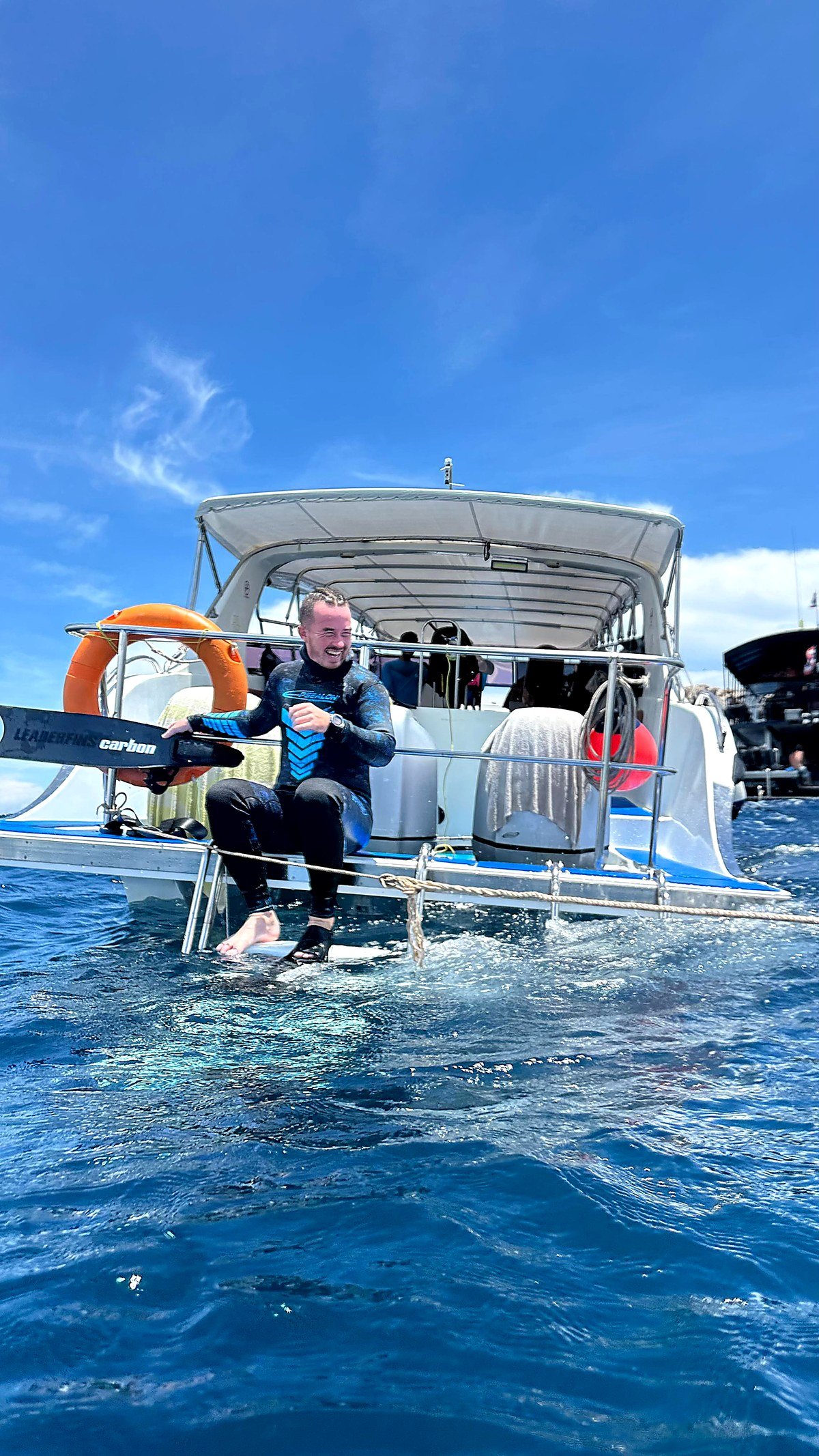
About Diego Pauel
Diego has been teaching freediving from Koh Samui since 2021. He holds instructor certification from Apnea Total and additional credentials across six certification bodies: Oxygen Advantage, Breatheology, International Breathwork Foundation (IBF), Breathing Cold, and GPBA. Plus emergency oxygen administration and first aid.
Learn More →Ready to try freediving?
Message Diego on WhatsApp to check availability for your dates. No deposit needed.
Check Availability on WhatsAppContinue reading
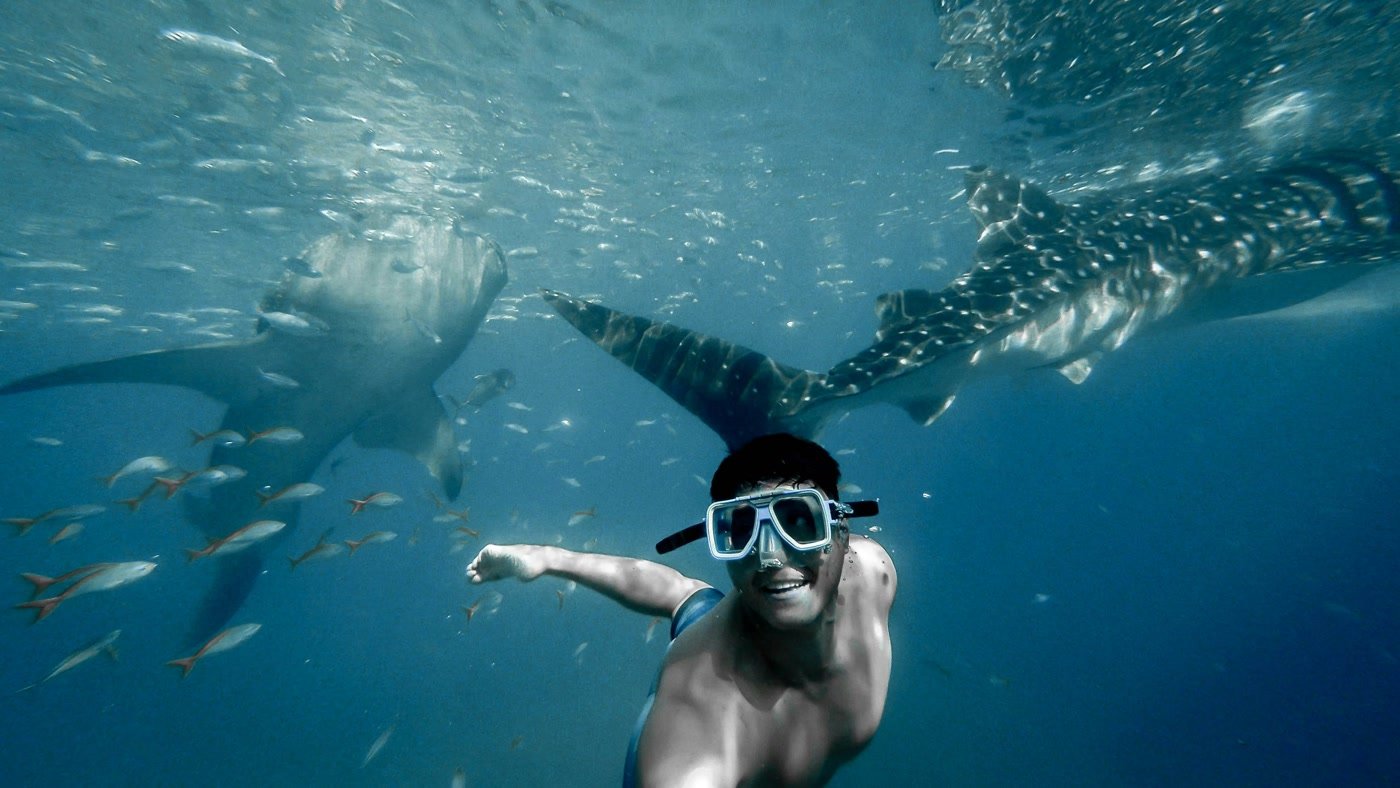
Whale Sharks at Sail Rock: What Freedivers Need to Know
Whale sharks visit Sail Rock between March and May. Here is what freedivers need to know about the season, the behavior,
Read More →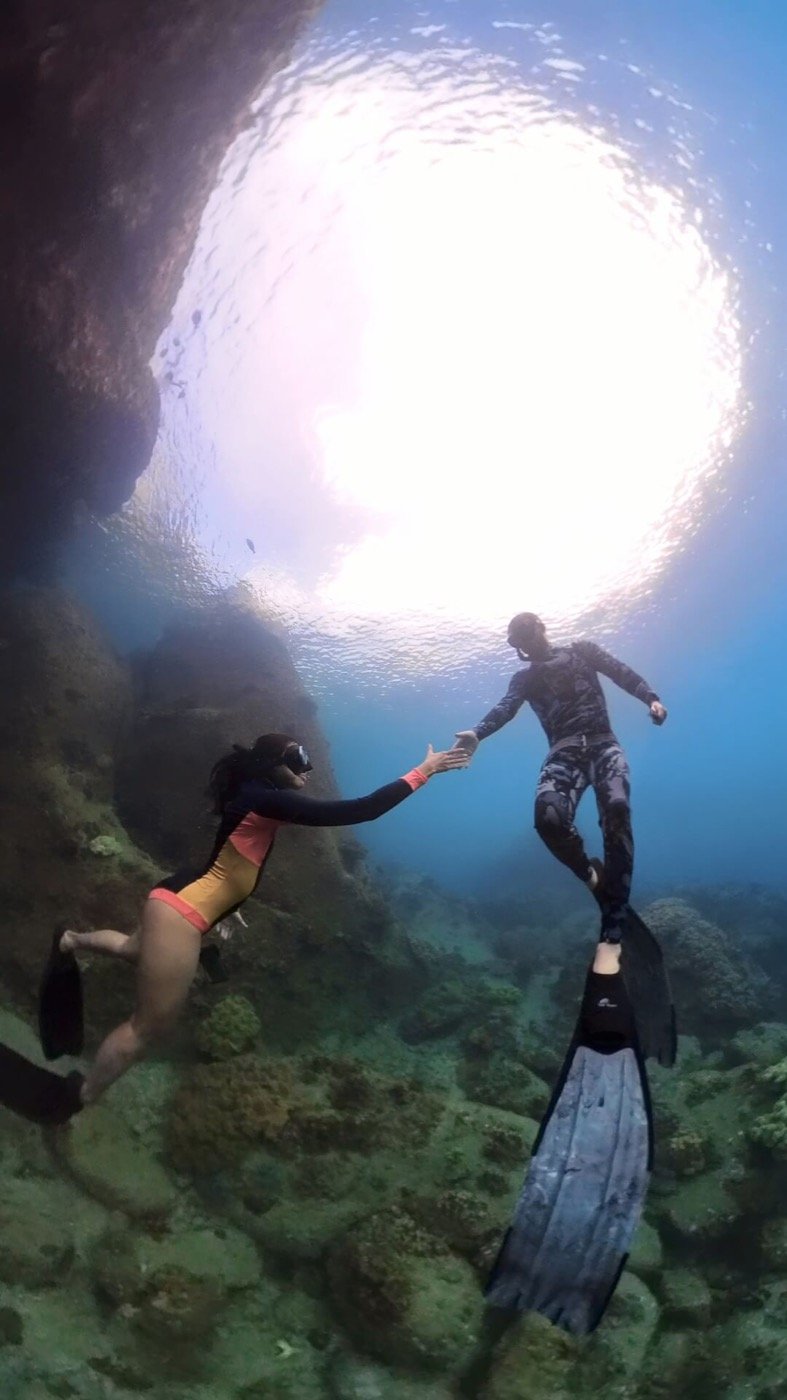
Freediving in Koh Samui: The Complete Guide
Everything you need to know about freediving in Koh Samui. Courses, dive sites, costs, best season, and what to expect f
Read More →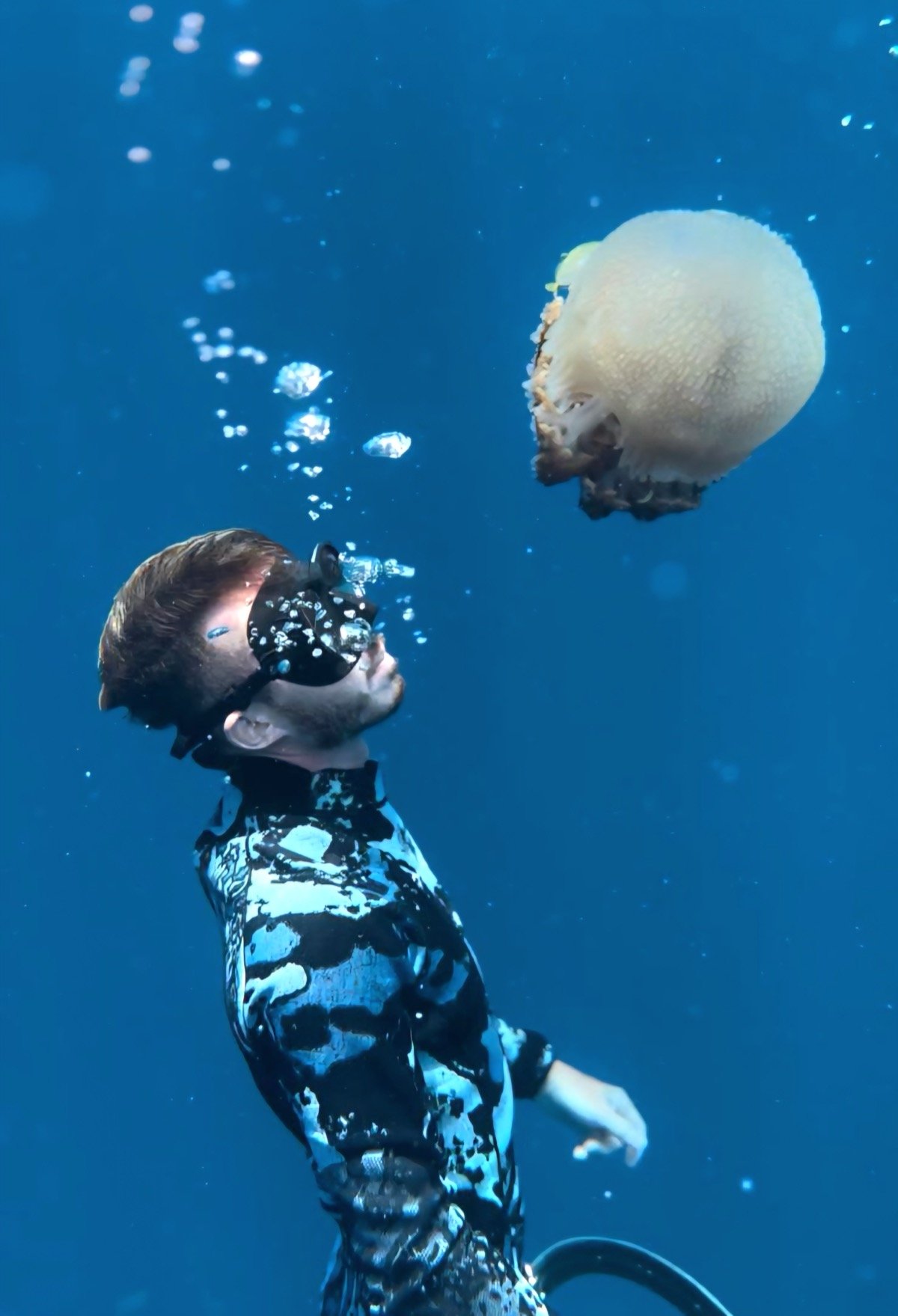
Marine Life You Will See Freediving in the Gulf of Thailand
What marine life can you see freediving in the Gulf of Thailand? Whale sharks, barracuda, sea turtles, batfish, trevally
Read More →