Best Time of Year to Freedive in Koh Samui
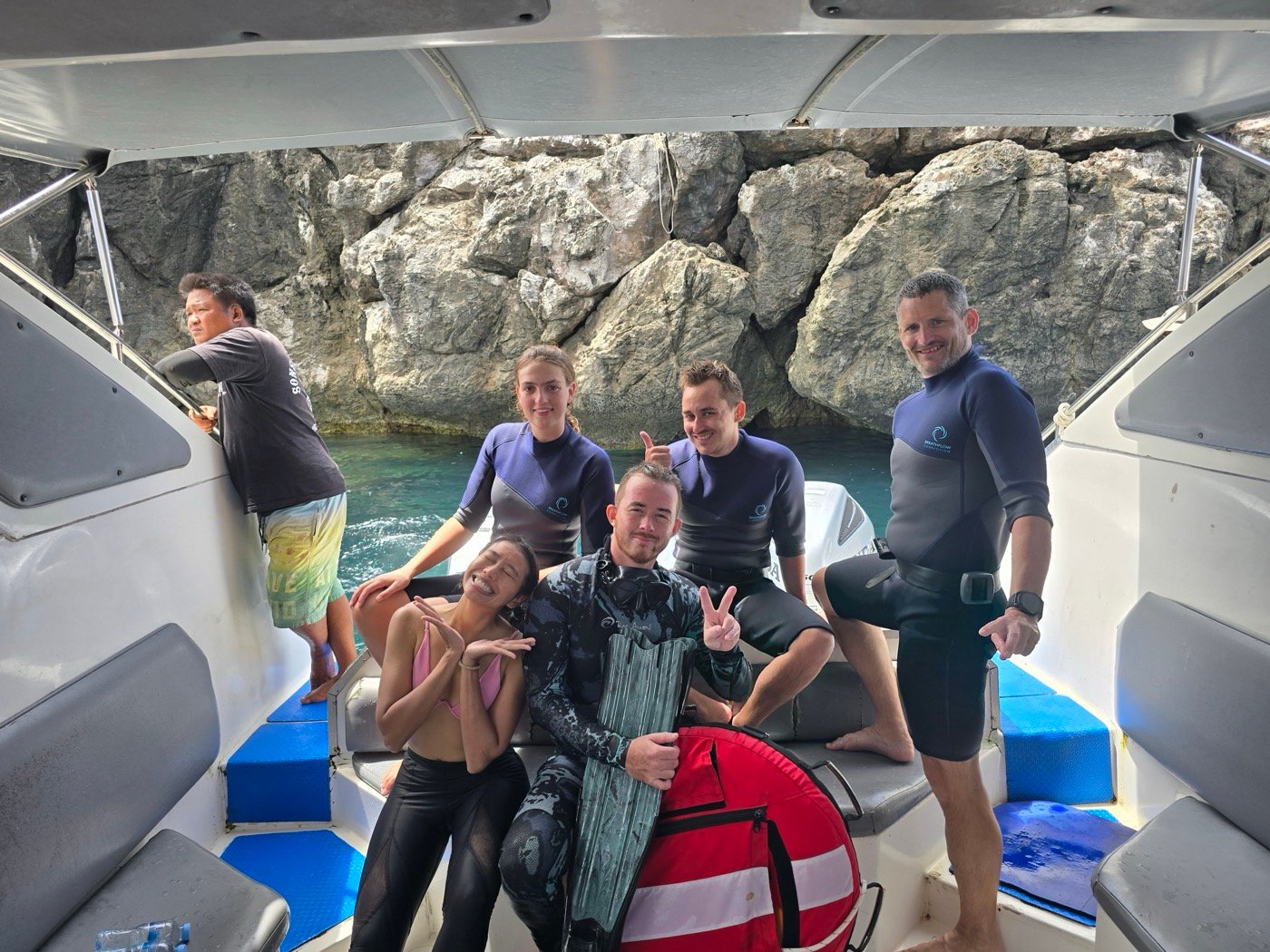
Updated for the 2026 season.
You have been thinking about freediving in Koh Samui. You have watched the videos, read the guides, maybe even bookmarked a course. Now you need to pick your dates. The question every traveler asks is simple: when is the best time of year to freedive in Koh Samui?
The answer depends on what you want from your trip. But the short version? You can freedive in Koh Samui year round, and conditions are genuinely good for most of the calendar. That said, some months stand out above the rest.
The Short Answer: December to May Is Peak Season
If you want the best possible conditions for freediving in Koh Samui, plan your trip between December and May. During these months you get calm seas, warm water, and visibility that regularly reaches 20 to 30 meters. This window covers the dry season and the first half of the hot season, giving you the most reliable weather for open water training.
February to May is the sweet spot within the sweet spot. The northeast monsoon has fully passed, the seas are flat, and underwater visibility peaks. If you are choosing a single month and want to maximize everything, March or April will rarely let you down.
Koh Samui sits on the Gulf of Thailand, which follows a different monsoon pattern from the Andaman coast (places like Phuket and Krabi). While the Andaman side shuts down from May to October, the Gulf side stays diveable well into summer. This gives Koh Samui a longer and more flexible diving season than most people expect.
Season by Season Breakdown
Dry Season: December to February
The dry season brings the most comfortable topside weather. Skies are clear, humidity drops to its lowest point of the year, and rain is rare. Water temperature sits between 28 and 30 degrees Celsius (84 to 86 Fahrenheit), which means you can train in a rashguard or a thin 1mm shorty without any discomfort.
Underwater visibility during these months typically ranges from 15 to 25 meters, sometimes pushing past 25 meters on exceptional days. The seas are calm, currents are manageable, and conditions are ideal for beginner freediving courses. If you have never held your breath underwater and want a gentle introduction, December to February delivers exactly that.
The one downside? This is also peak tourist season in Koh Samui. Flights from Bangkok fill up, hotel prices climb, and popular dive sites see more boat traffic. Book early if you are planning a trip during this window.
Hot Season: March to June
March through June is when Koh Samui freediving truly shines. Air temperatures are higher (expect 32 to 35 degrees Celsius on most days), but the water stays at a comfortable 29 to 30 degrees. Visibility often reaches its annual peak during these months, with 20 to 30 meter days becoming the norm rather than the exception.
The seas remain calm through most of this period. April and May in particular offer some of the flattest ocean conditions of the year, making boat trips to offshore sites smooth and comfortable. This is also when whale sharks arrive at Sail Rock, which transforms a great freediving trip into a potentially unforgettable one. More on that below.
June marks the transition toward the wet season. You will notice occasional afternoon rain showers, but mornings are usually clear and diving conditions stay solid. Many experienced freedivers consider June an underrated month because it combines good conditions with fewer crowds.
Wet and Transitional Months: July to September
July and August bring intermittent rain, but conditions remain surprisingly diveable on most days. The Gulf of Thailand does not experience the heavy sustained monsoon that hits the Andaman coast during these months. You will have rainy afternoons and the occasional stormy day, but plenty of calm mornings where open water training goes ahead as planned.
Visibility drops slightly to 10 to 20 meters depending on recent rainfall and runoff. Water temperature stays warm at 29 to 30 degrees. These months are perfectly fine for experienced freedivers and for advanced courses, though beginners may find the variable conditions less predictable.
September is the wettest month in Koh Samui. Rain becomes more frequent and the sea can be choppy for several days in a row. Diving is still possible, but you should build flexibility into your schedule in case a session needs to shift by a day.
Monsoon Season: October to November
October and November are the most challenging months for freediving in Koh Samui. The northeast monsoon arrives in full force, bringing heavy rainfall, reduced visibility, and rougher seas. Visibility can drop to 5 to 10 meters on bad days, and wave heights make some offshore sites inaccessible.
We are honest about this: if you are a complete beginner planning your first freediving course, October and November are not the months we would recommend. The conditions add unnecessary difficulty to what should be a relaxed learning experience.
That said, diving does not stop entirely. There are calm windows between storms, and sheltered sites closer to shore remain accessible. Experienced freedivers who are comfortable with reduced visibility and some current can still have productive training days. And course theory sessions happen indoors regardless of weather, so rainy days are never truly wasted.
By late November, conditions begin improving as the monsoon weakens. Early December usually marks the return of clear skies and calm seas.
Whale Shark Season: March to May at Sail Rock
If encountering a whale shark on a single breath is on your bucket list, plan your trip for March through May. This is when whale sharks pass through the Gulf of Thailand, and Sail Rock is the most reliable place to find them.
Sail Rock sits about 90 minutes by boat from Koh Samui. It is a massive underwater pinnacle that rises from 40 meters depth to just above the surface, attracting huge schools of fish that in turn draw the whale sharks. Freedivers have a real advantage here over scuba divers because whale sharks are more comfortable around breath hold divers. Without the noise of a regulator and the stream of bubbles, you can often get closer and spend more meaningful time near these animals.
Sightings are never guaranteed. These are wild animals on their own schedule. But March to May gives you the highest probability, and even without a whale shark encounter, Sail Rock offers spectacular freediving with visibility that frequently exceeds 25 meters during this period. Barracuda, grouper, batfish, and the occasional bull shark round out the experience.
We run guided fun dive trips to Sail Rock throughout the season. If whale sharks are your primary motivation, reach out on WhatsApp and we can help you time your visit.
Water Temperature: Warm All Year
One of the biggest advantages of freediving in Koh Samui is the water temperature. The Gulf of Thailand stays between 28 and 30 degrees Celsius (84 to 86 Fahrenheit) throughout the entire year. There is no thermocline shock waiting at 15 or 20 meters. The water is warm from the surface to the bottom of every training dive.
This matters more than most people realize. Cold water burns through your oxygen faster, triggers your mammalian dive reflex more aggressively, and makes relaxation harder. In Koh Samui, thermal stress is simply not a factor. You can focus entirely on technique, equalization, and breath hold without fighting your body temperature.
Most freedivers here train in a rashguard or a thin 1mm shorty wetsuit. A 3mm suit is overkill in every month. If you are coming from somewhere with cold water diving, the warmth alone will add depth and comfort to your dives.
How Weather Affects Your Freediving Course
If you are signing up for a beginner freediving course, you might wonder what happens if the weather turns during your training.
Every course includes both theory and open water sessions. Theory happens indoors in an air conditioned classroom, so rain has zero impact on that portion. Even during the wettest months, your classroom days run exactly as scheduled.
Open water sessions are where weather matters. We need reasonably calm seas and adequate visibility to run safe, effective training dives. On the rare occasion that conditions are too rough, we shift your open water session by a day. This is why we recommend building a buffer day into your travel schedule, especially if you are visiting between July and November.
During the peak months of December to May, weather disruptions are extremely rare. Most courses run straight through without any schedule changes. The complete guide to freediving in Koh Samui covers what to expect during your course in more detail.
Best Months to Avoid Crowds
Koh Samui is a popular island, and tourism peaks create busy periods both above and below the water. The biggest tourist influx happens from December to February (European and Chinese holiday season) and again in July to August (summer holidays). During these months, hotels charge premium rates, beaches are packed, and popular dive sites have more boats on them.
If you want great freediving conditions with fewer people, target March to June. This window gives you peak underwater visibility, calm seas, whale shark potential, and noticeably thinner crowds. April and May are especially quiet because they fall between the two main tourist waves.
Another underrated window is early December. The monsoon has just ended, conditions are improving rapidly, and the holiday rush has not started yet. You get dry season weather at shoulder season prices.
For freedivers specifically, fewer crowds means smaller groups on dive boats, less competition for space at popular sites, and a more relaxed overall experience. It also means more availability for courses and fun dive trips, so you are more likely to get your preferred dates.
Planning Your Freediving Trip to Koh Samui
Koh Samui has a real advantage over other Thai dive destinations: a commercial airport with direct flights from Bangkok. While Koh Tao (the other major Gulf diving island) requires a ferry transfer that adds 2 to 6 hours depending on the route, you can fly into Koh Samui in about an hour and be at your hotel 30 minutes later. Bangkok Airways operates multiple flights daily year round.
Our beginner course runs Monday to Wednesday each week, and the advanced course runs Tuesday to Thursday. This means you can start a course on almost any week of the year. If you are combining a freediving course with a Sail Rock trip or additional fun dive days, plan for 5 to 7 days on the island to fit everything in comfortably.
First, pick your dates based on the conditions you want (use the season breakdown above). Second, book your flights and accommodation early if you are traveling during peak season. Third, send us a WhatsApp message to confirm course availability for your dates. We can also advise on current water conditions and what to expect during your specific travel window.
Accommodation in Koh Samui ranges from budget hostels to luxury resorts, with most options concentrated around Chaweng, Lamai, and Bophut beaches. The island is small enough that nowhere is more than 30 minutes from the dive center.
Ready to Book Your Freediving Trip?
Whether you visit in the crystal clear calm of March or the warm waters of June, Koh Samui delivers world class freediving conditions without the long ferry transfers that other Thai islands require. The best time to freedive in Koh Samui depends on your priorities, but you genuinely cannot go wrong with any month between December and May.
New to freediving? Start with our beginner freediving course, which takes you from zero experience to confident open water dives in three days. Already certified? Join us for fun dives and coaching sessions at Koh Samui's best sites, including Sail Rock during whale shark season.
Send us a message on WhatsApp to check availability for your travel dates. We will give you an honest assessment of expected conditions and help you plan the best possible trip.
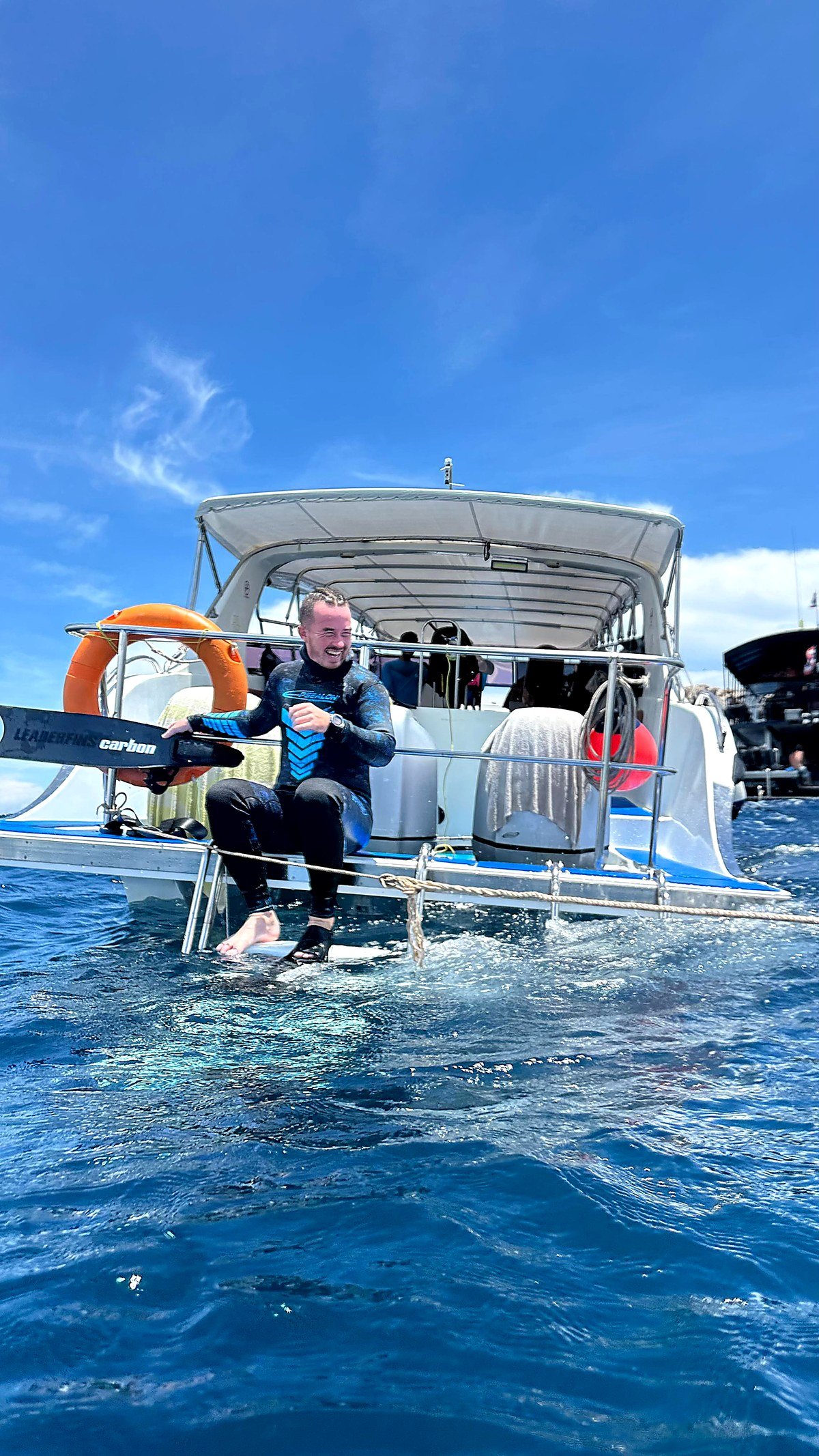
About Diego Pauel
Diego has been teaching freediving from Koh Samui since 2021. He holds instructor certification from Apnea Total and additional credentials across six certification bodies: Oxygen Advantage, Breatheology, International Breathwork Foundation (IBF), Breathing Cold, and GPBA. Plus emergency oxygen administration and first aid.
Learn More →Ready to try freediving?
Message Diego on WhatsApp to check availability for your dates. No deposit needed.
Check Availability on WhatsAppContinue reading
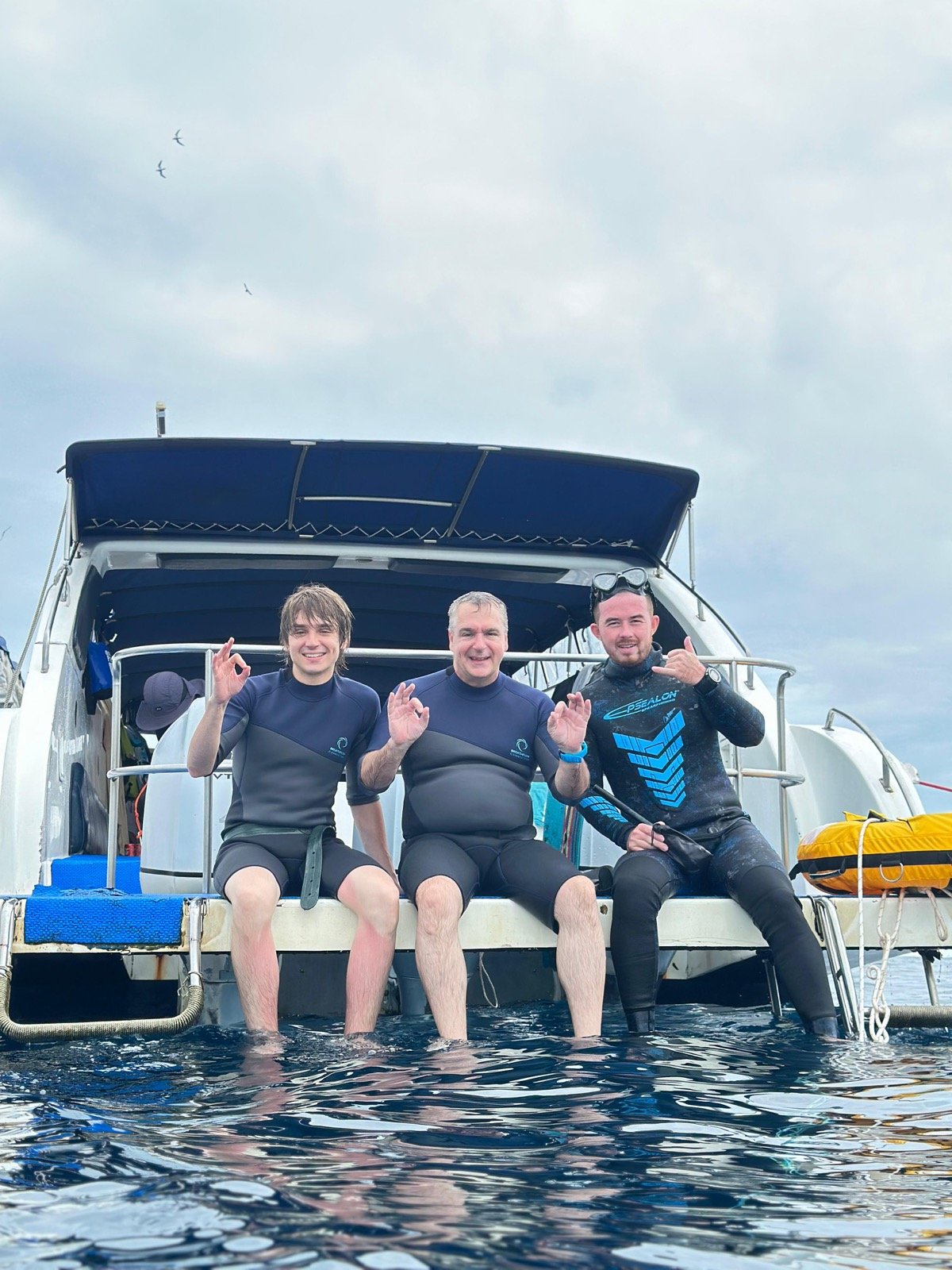
Freediving Wetsuit Guide for Warm Tropical Water
A freediving wetsuit guide for the warm Gulf of Thailand, from a Koh Samui instructor. Why even 29-degree water needs a
Read More →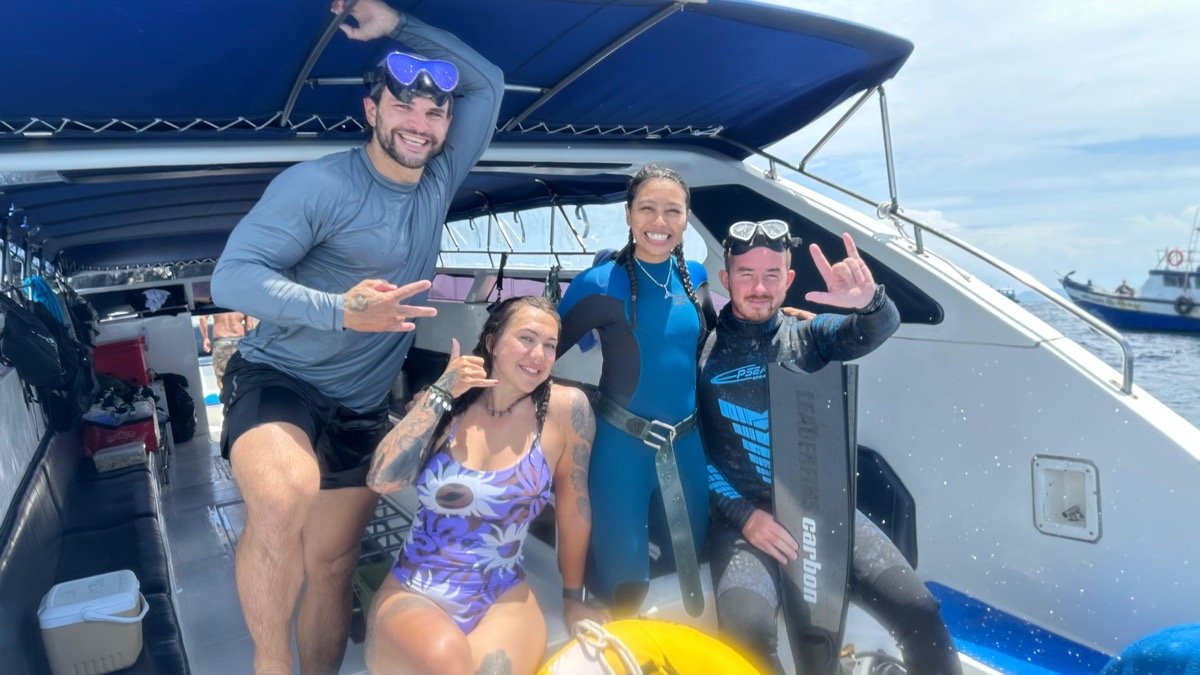
Koh Samui Freediving Itinerary: A 5-Day Trip Plan
A realistic 5-day Koh Samui freediving itinerary: when to arrive, how to space a 3-day course, what to do on rest days,
Read More →
Freediving for Digital Nomads in Koh Samui
Why Koh Samui is the perfect place for digital nomads to learn freediving. Fast wifi, coworking spaces, and world class
Read More →