What to Pack for a Freediving Course in Thailand
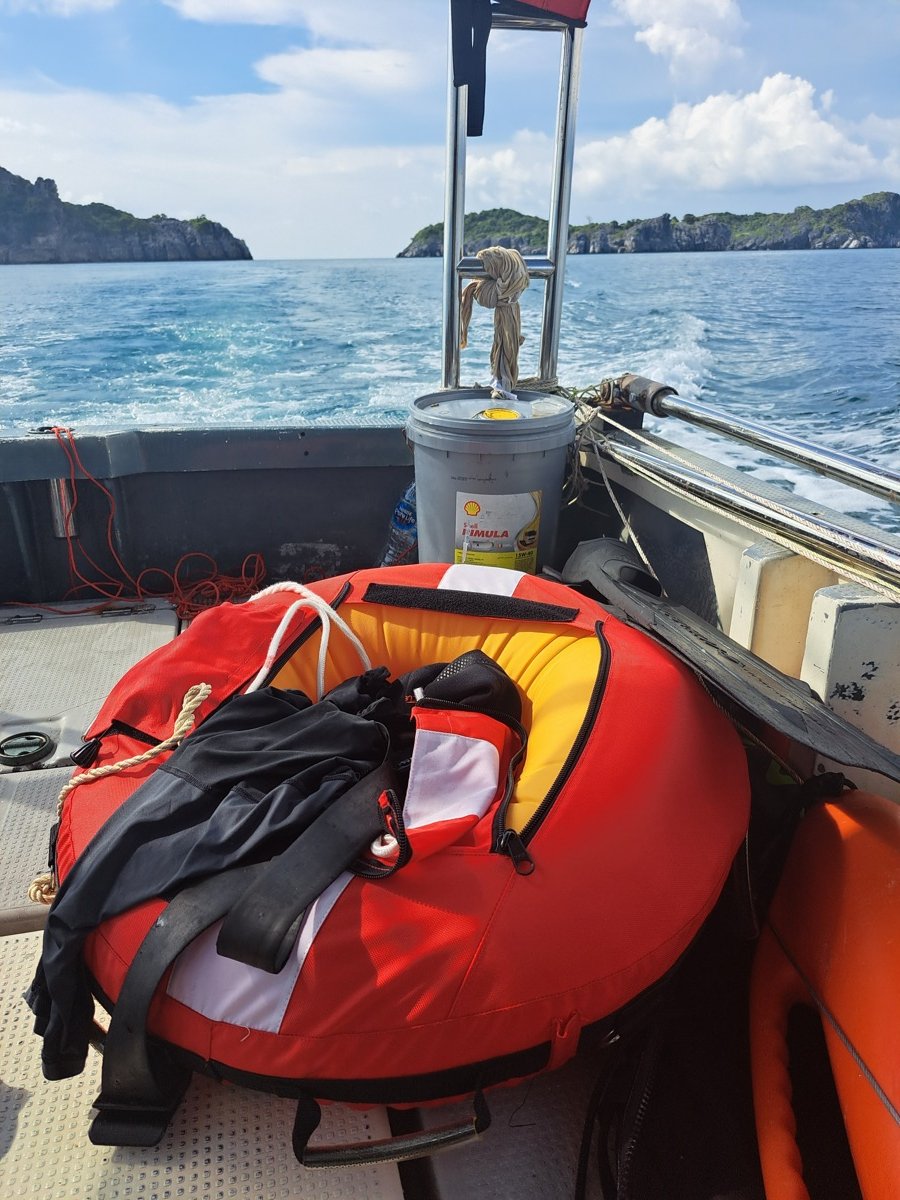
You are about to spend three days in warm tropical water learning to hold your breath. The packing list for a freediving course is shorter than you expect.
Freediving is a minimal sport. No tanks, no BCDs, no dive computers required. Most of the gear you use on the course is provided by the school. What you need to bring yourself fits in a small daypack.
This guide covers what the school provides, what to bring yourself, and a few things worth leaving at home.
What the School Provides
Freediving Koh Samui provides all diving equipment for every student on every day of the course. You do not need to buy, rent, or pack any freediving gear.
What is included:
- 3mm full length wetsuit (essential even in 29 degree water for extended sessions)
- Freediving mask with low internal volume
- Long blade freediving fins (carbon or fiberglass, depending on availability and foot size)
- Snorkel
- Weight belt and weights calibrated to your wetsuit and body composition
- Safety buoy and training line
- Emergency oxygen equipment on every boat
All equipment is cleaned and checked between students. If something does not fit correctly, it gets swapped before you enter the water. Getting your mask seal right matters more than any technique session, so this is handled on Day 1 during the equipment briefing.
What to Bring Yourself
For the Boat
The crossing to Sail Rock takes about 90 minutes each way on open water. Boat days in Koh Samui involve direct tropical sun, salt spray, and wind. A few items make the difference between arriving ready to dive versus arriving depleted.
Sunscreen. Apply before you leave your hotel, not when you arrive at the dock. Bring enough to reapply after your water sessions. Reef safe formulations are worth the minor extra effort if you have them. The coral at Sail Rock and the shallow reef sites around Koh Tao is worth protecting.
A rashguard or thin long sleeve shirt. Sun exposure on a boat adds up faster than most people expect. A lightweight rashguard reduces the surface area you need to keep covered with sunscreen and provides UV protection during surface intervals between dives. Most students prefer this to repeated reapplication on a moving boat with wet hands.
Seasickness medication. If you are prone to motion sickness, take it the night before and again in the morning before departure. Do not wait until you are on the water. Medication taken after symptoms begin is significantly less effective. The crossing to Sail Rock involves open swell in certain conditions. A minority of students feel it. Take the precaution if this has affected you before.
A 1.5 liter water bottle. You dehydrate faster on a boat than you realize, particularly when freediving. The school provides water but having your own supply means you can drink consistently between dives without waiting.
A small towel. One for drying between dives. The school has towels available but having your own means you have a dry one when you want it, not when one becomes available.
For Theory Sessions
Day 1 includes a theory session covering freediving physiology, equalization techniques, and safety protocols before you enter the water. This happens in a classroom or covered outdoor setting.
Wear light clothes. A t-shirt and shorts. Koh Samui is warm and the session is practical rather than formal. Bring something to take notes if you prefer paper. Some students use their phones. Either works fine.
Swimwear
Bring at least two sets of swimwear. You will be in and out of the water for three consecutive days. Having one set drying while you wear the other means you never start a session in yesterday's wet swimwear. A small thing that matters by Day 3 when everything feels damp.
Footwear
Flip flops or sandals for moving between your accommodation, the dock, and the beach. You will not need closed shoes on any part of the course unless you want them for evenings out.
Contact Lenses
If you wear contact lenses, plan for this before Day 1. Water entering your eyes during confined water sessions or open water dives while wearing contacts is uncomfortable and can damage the lenses.
Three options: wear daily disposables and remove them before entering the water for static sessions, wear prescription goggles during confined water work and use your regular mask for open water dives, or get a prescription insert fitted for your freediving mask. The last option gives you the best vision during every dive. Discuss this with the school before the course starts. A mask that fits correctly with corrected vision changes the experience significantly.
Personal Medication
Bring any regular medication you take. A few specific ones are worth planning for on a freediving course:
- Antihistamines if you have allergies that affect your nose and sinuses. Clear sinuses are necessary for equalization. If you dive with blocked sinuses, you cannot equalize past a certain depth and the course will be interrupted until they clear. If you have seasonal allergies, start your antihistamine a day or two before the course.
- Ear drops if you have a history of ear infections or have been prescribed ear drops for previous problems. Tell your instructor about any history of ear or sinus problems before Day 1. Some conditions affect the equalization techniques taught and your instructor needs to know.
- Seasickness medication as described above.
Small Dry Bag or Waterproof Case
Leave valuables at your hotel when possible. A wet boat deck, salt water spray, and the environment of an open water dive trip is not where you want your phone or passport. If you need to bring your phone on the boat, a waterproof case or small dry bag is the practical solution. Underwater photos require a separate housing or an action camera designed for water use.
What to Leave at Home
Your Own Diving Equipment
Do not pack a mask, wetsuit, or fins unless you own freediving specific gear and are comfortable diving in it. Standard snorkeling masks have too much internal volume for freediving and make equalization harder than it needs to be. Recreational fins are too short and stiff for the depths you will reach by Day 3. Using the wrong equipment creates avoidable problems.
If you own a proper freediving setup and want to use it, let the school know in advance. Your instructor will check the equipment before you use it in training and confirm it is appropriate for the course. This applies to masks, wetsuits, and fins. Weight systems and lines are provided regardless.
Aggressive Ear Cleaning Before Dive Days
Do not deep clean your ears with cotton swabs or ear cleaning solutions immediately before or during the course. Ear wax protects the ear canal during extended water exposure. Removing it aggressively before multiple consecutive days of diving can cause irritation and increase the risk of swimmer's ear. Keep your ears clean between sessions but do not strip them before boat days.
A Heavy Night Before Boat Days
Worth stating plainly. Freediving requires good breath hold performance, clear equalization, and the ability to stay relaxed at depth. Alcohol the night before a boat day affects sleep quality, hydration, your balance on a moving boat, and your performance in the water. Koh Samui has plenty of good restaurants and reasonable bars. Save the late night for after the course certification day.
Day by Day Summary
Day 1: Theory and Confined Water
No Sail Rock on Day 1. Sessions take place at a sheltered bay. Bring your swimwear, sunscreen, water bottle, and anything from the personal items list. No long boat crossing. The theory session happens in a covered setting before you enter the water.
Day 2: Open Water Training
Your first boat day. Sunscreen applied before departure, rashguard packed, second swimwear set included, seasickness medication already in your system if relevant. This is the day most students start to feel the cumulative effect of sun and salt water. Stay on top of your hydration.
Day 3: Sail Rock or Open Water Site
Same kit as Day 2. Day 3 takes you to the main open water site, typically Sail Rock. If it is between March and May, whale shark encounters are possible. The barracuda school is there regardless of season. Arrive rested, fed, and hydrated. The boat day is long and the diving is the best part of the course.
After the Course: First Equipment to Buy
If you finish the course and decide to continue freediving, the first piece of equipment worth buying is a mask that fits your face precisely. Everything else can be borrowed or rented. A mask is personal and the correct fit improves every session from the beginning.
Long blade freediving fins are the second purchase that makes a real difference. They convert each kick into significantly more propulsion than recreational fins and reduce the energy cost of descents and ascents. Worth the investment if you plan to dive more than a few times per year.
Ask your instructor at the end of the course for specific recommendations based on your diving style, the depth you reached, and your foot size. You will get honest guidance without being pushed toward gear you do not yet need.
Ready to Book
To check availability and confirm your course dates, message Diego on WhatsApp. No deposit required to hold a spot. See the Beginner Freediver course page for the full 3 day program, or the Discovery Freediving page if you want to try one day before committing to the full certification course.
About Diego Pauel
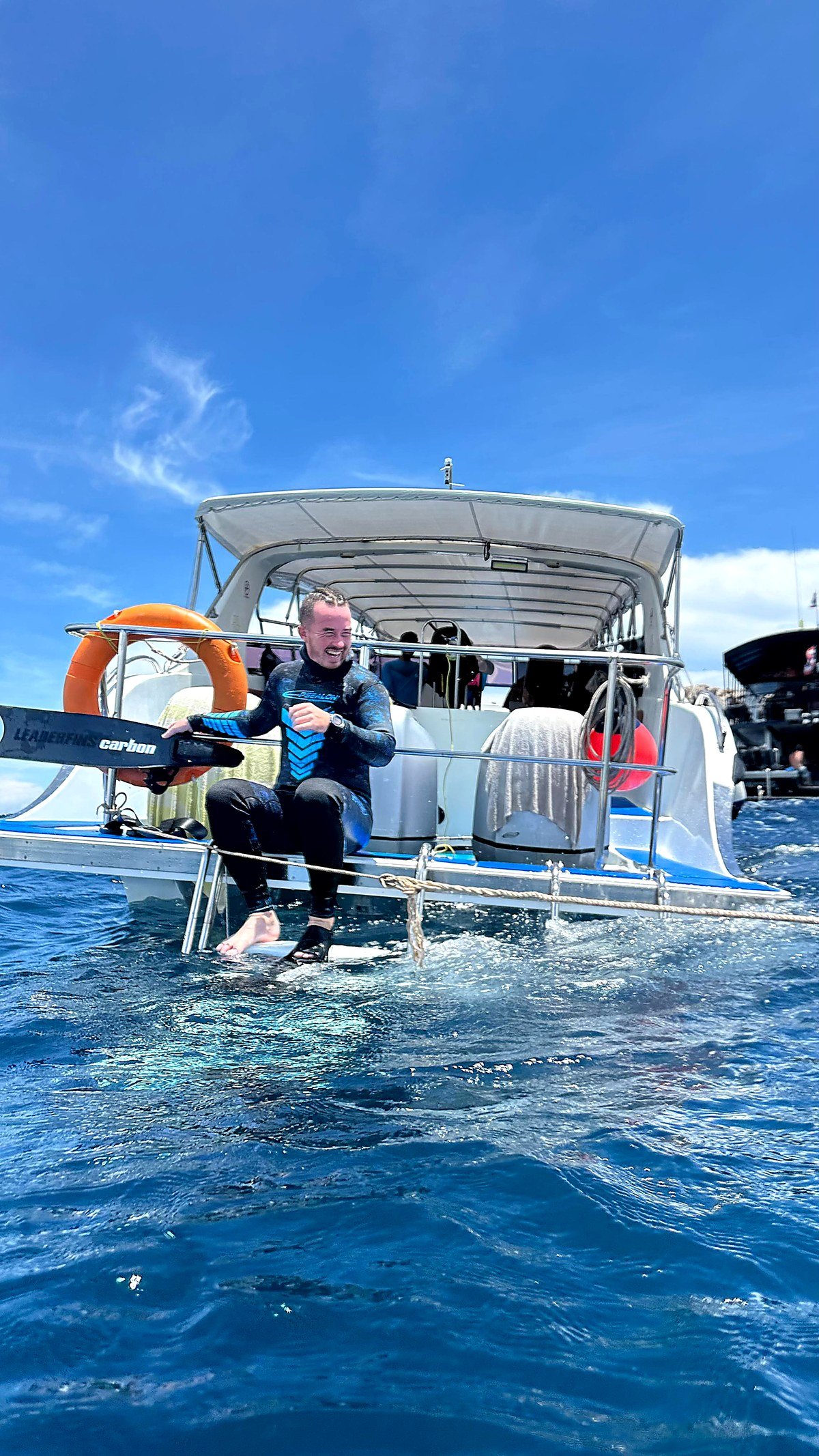
Diego has been teaching freediving from Koh Samui since 2021. He holds instructor certification from Apnea Total and additional credentials across six certification bodies: Oxygen Advantage, Breatheology, International Breathwork Foundation (IBF), Breathing Cold, and GPBA. Plus emergency oxygen administration and first aid.
Learn More →Ready to try freediving?
Message Diego on WhatsApp to check availability for your dates. No deposit needed.
Check Availability on WhatsAppContinue reading
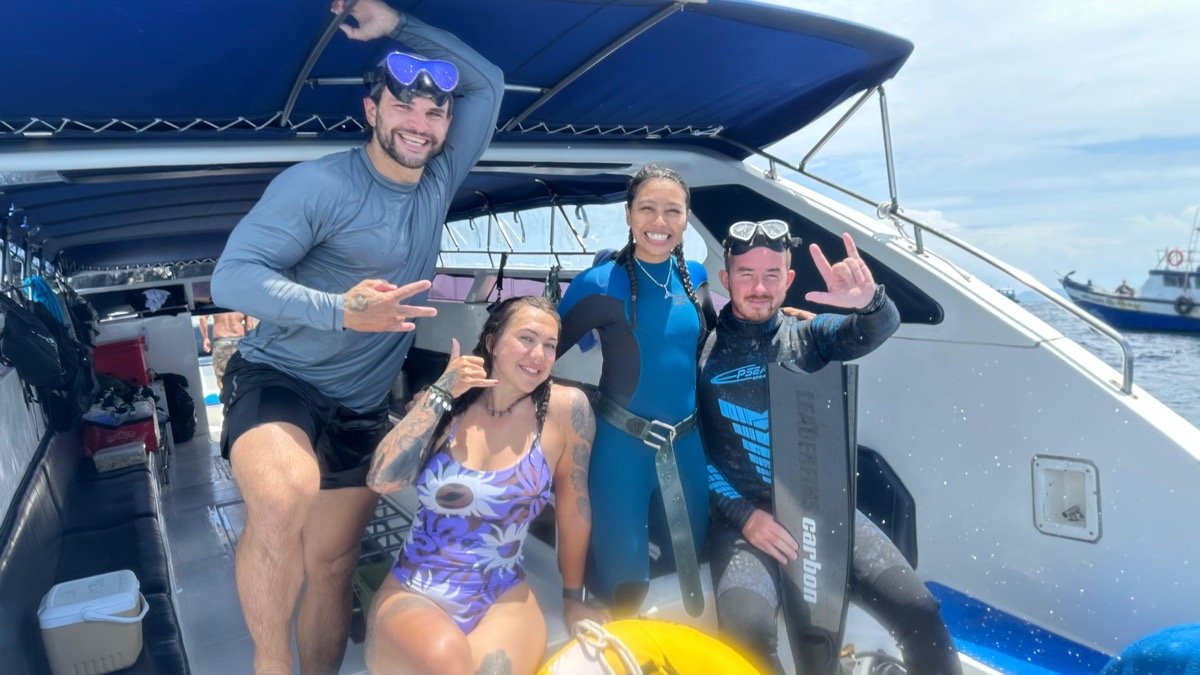
Freediving for Digital Nomads in Koh Samui
Why Koh Samui is the perfect place for digital nomads to learn freediving. Fast wifi, coworking spaces, and world class
Read More →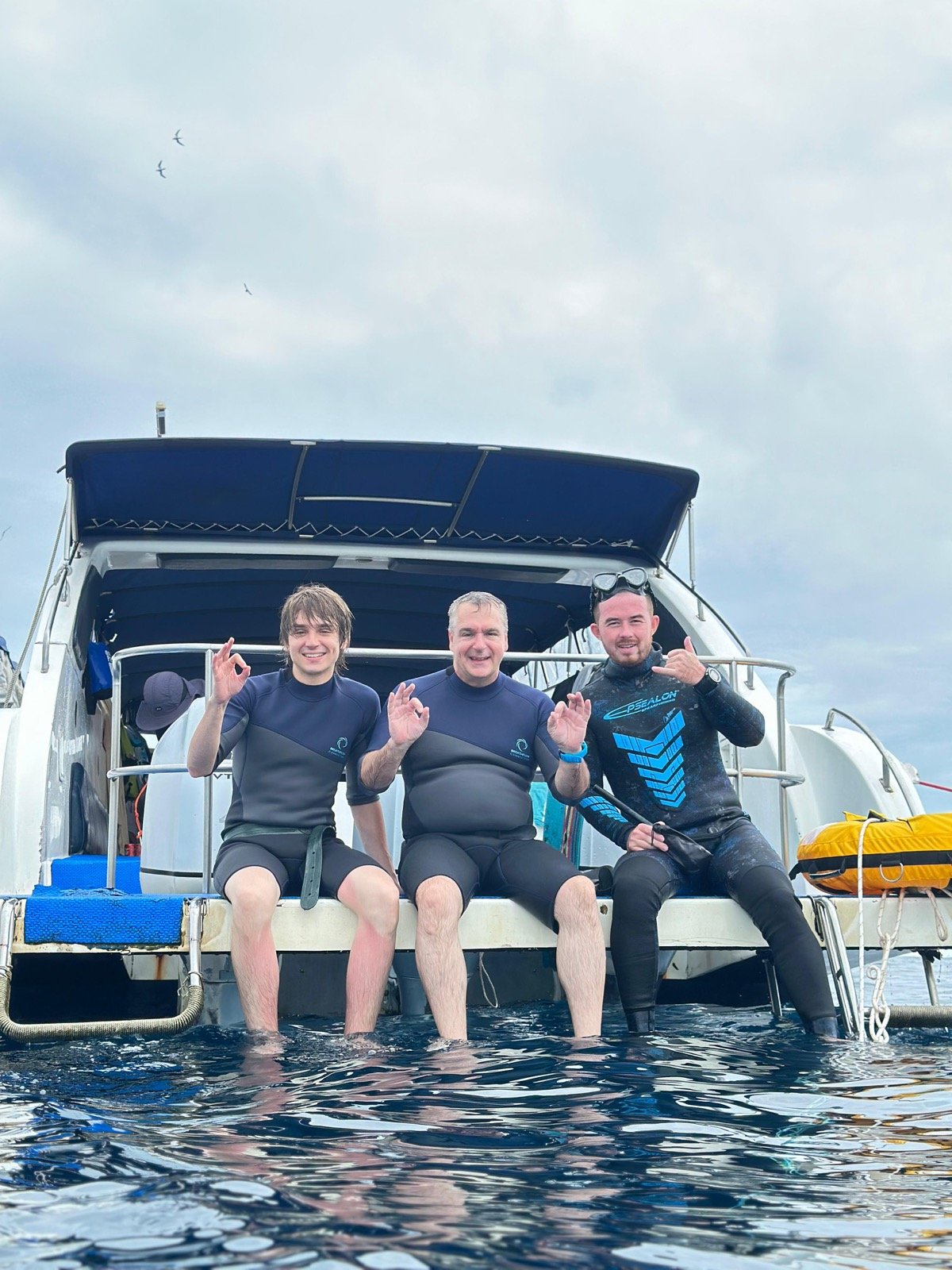
Freediving Wetsuit Guide for Warm Tropical Water
A freediving wetsuit guide for the warm Gulf of Thailand, from a Koh Samui instructor. Why even 29-degree water needs a
Read More →
Freediving Gear for Beginners: What You Actually Need
A Koh Samui instructor breaks down freediving gear for beginners — mask, snorkel, fins, wetsuit, weight belt, lanyard.
Read More →