Spearfishing in the Gulf of Thailand: A Complete Guide
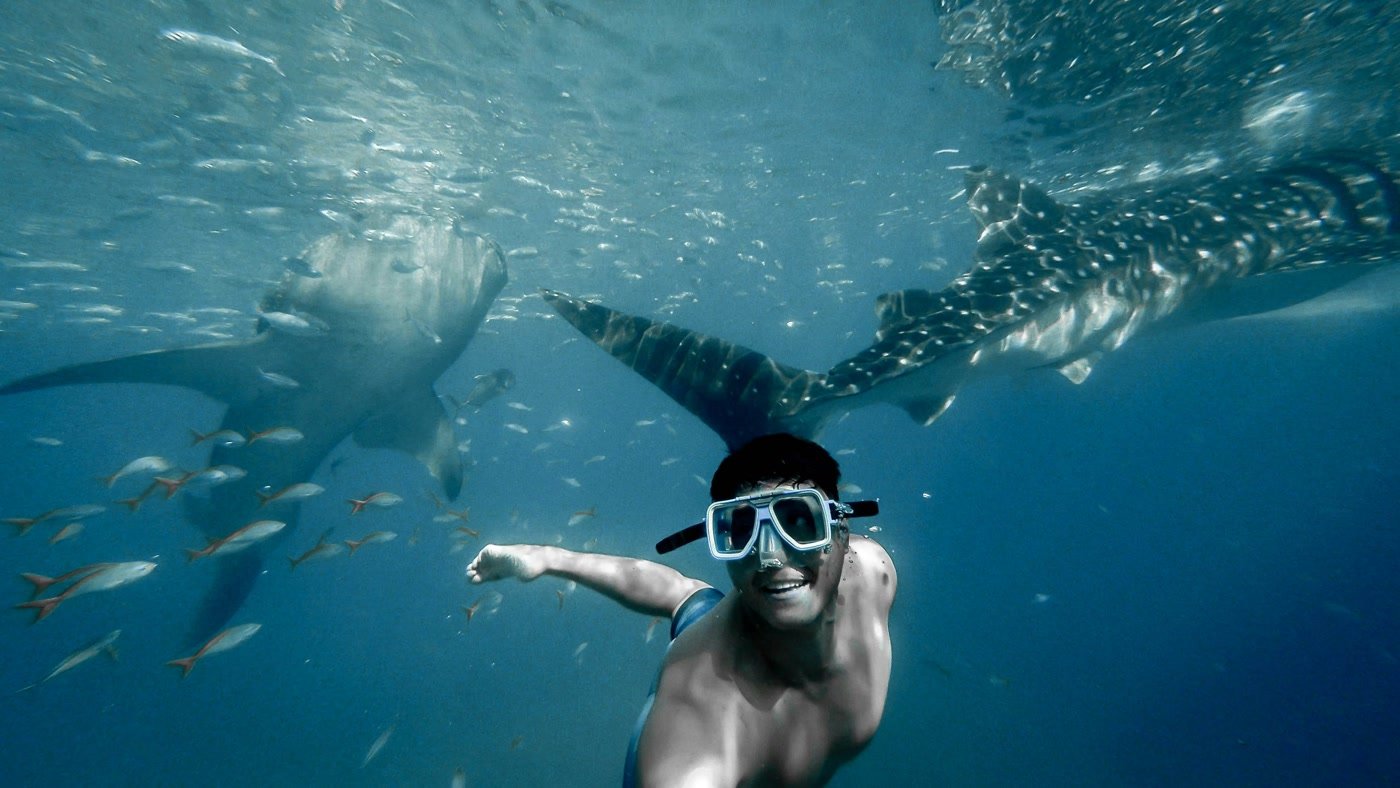
The Gulf of Thailand holds some of the best spearfishing water in Southeast Asia. Warm year round, full of reef structure, and home to species that will test both your breath hold and your patience. If you are on Koh Samui and want to experience spearfishing for the first time or get back in the water after a break, this guide covers everything you need to know.
Why the Gulf of Thailand for Spearfishing
The Gulf of Thailand is a shallow, warm body of water that stretches from the eastern coast of Thailand down to Malaysia. Average depth is around 45 meters, but most of the productive spearfishing happens in 5 to 20 meters of water over reef, rock structure, and artificial wrecks.
Water temperature stays between 28 and 30 degrees Celsius year round. You can spearfish in a rashguard during the hot season or a thin 2mm wetsuit during the cooler months. There is no thermocline shock, no dry suit requirement, and no numb fingers making it hard to grip the speargun. The conditions are forgiving for beginners and comfortable for experienced spearos spending a full day in the water.
Visibility ranges from 5 meters on a murky day to 25+ meters during the best conditions from December through May. Even on lower visibility days, the fish are there. Spearfishing in the Gulf is often a close range discipline where you work structure and ambush fish at 3 to 8 meters, not a blue water discipline where you need 30 meters of visibility to spot pelagics.
What You Can Catch
The Gulf of Thailand supports a wide range of species for spearfishing. What you encounter depends on the season, the specific spot, and whether you are working reef, structure, or open water.
Reef and Structure Species
Grouper. Several species live on the rocky reefs and artificial structures around Koh Samui. They sit in holes and under ledges, waiting for prey to drift past. Grouper are ambush hunters, so you need to be one too. Slow approach, steady aim, and a clean shot while they are still holding position. Common sizes range from 1 to 5 kg, with larger specimens on deeper structure.
Snapper. Red snapper and mangrove snapper patrol the reefs in schools. They are wary but predictable. Find the structure they use as a home base, approach from below, and wait. Snapper tend to circle back to the same spot, so if you miss the first approach you can often reposition and try again.
Barracuda. Chevron barracuda and great barracuda are common around the pinnacles and deeper reef structures. They are fast, curious, and sometimes approach you before you approach them. Smaller chevron barracuda school in groups and make reliable targets. Larger great barracuda are solitary and require more patience.
Pelagic and Open Water Species
Trevally. Giant trevally and bluefin trevally pass through the area, especially near the offshore pinnacles. They are strong fighters and one of the most rewarding catches in the Gulf. A GT in the 5 to 10 kg range will test your equipment and your ability to control the fish after the shot.
Mackerel. Spanish mackerel and narrow barred mackerel cruise the mid water column. They are fast moving and require a flasher or float line technique to draw them into range. Mackerel are excellent eating and make a great target for intermediate spearos learning to work open water.
Cobia. Cobia appear seasonally around the deeper structures and are one of the larger fish you can encounter in the Gulf. They can reach 20+ kg and are powerful swimmers. Not an everyday catch, but when they show up, they are the highlight of the trip.
Best Spearfishing Spots from Koh Samui
Koh Samui sits in the western Gulf of Thailand with access to productive fishing grounds in every direction. Your guide selects the day's spots based on season, weather, current, and what species are running. Here are the main areas.
Local Reefs and Structures (30 to 60 minutes by boat)
Within an hour of Koh Samui, there are several reef systems and rocky outcrops that hold resident fish populations. These spots are reliable producers for grouper, snapper, and reef associated barracuda. Shorter travel time means more time in the water, and these sites work well when sea conditions are too rough for longer crossings.
Offshore Pinnacles (60 to 90 minutes by boat)
The pinnacles between Koh Samui and Koh Tao attract pelagic species: trevally, mackerel, and occasionally cobia. These are the high reward spots where the biggest fish pass through, but conditions need to be right. Good visibility and manageable current make the difference between an epic session and a frustrating one.
Koh Phangan and Ang Thong Waters (45 to 75 minutes by boat)
The waters around Koh Phangan hold a mix of reef and pelagic species. Rocky coastlines, submerged boulders, and reef walls create habitat that concentrates fish. Samran Pinnacle, a submerged rock formation south of Koh Phangan that gets little recreational traffic, holds trevally, snapper and the occasional Spanish mackerel. These areas are particularly productive during the transition months between seasons when fish patterns shift.
One firm boundary: spearfishing inside Ang Thong National Marine Park is illegal — full stop, no exceptions. We never fish inside the park. The productive water is outside the park boundary, where the seabed drops away from the archipelago into deeper Gulf waters. Your guide knows exactly where that line is and stays well on the right side of it.
When to Go: Seasons and Conditions
Spearfishing from Koh Samui is possible year round, but some months are significantly better than others. For a detailed breakdown of seasonal conditions, read our guide to the best time of year for freediving in Koh Samui.
Peak season: December to May. This is the dry season and the transition into the hot season. Visibility is at its best (15 to 25 meters), seas are calm, and fish are active on the reefs. March through May brings the warmest water and the best chance of encountering larger pelagics moving through the offshore pinnacles.
Good conditions: June to September. The southwest monsoon brings occasional rain and choppier seas, but there are plenty of diveable days between weather systems. Visibility drops to 8 to 15 meters on average. Local reef spots remain productive and are often better sheltered from swell than the offshore pinnacles.
Challenging: October to November. The monsoon transition brings the roughest seas and lowest visibility. Trips during this period depend entirely on weather windows. Some of the best fishing can happen right after a storm when nutrients stir up the water column and baitfish concentrate, but you need flexibility with dates.
One tactical note on the moon. Full and new moons create stronger tidal currents, which push baitfish closer to structure and bring predators in to feed. Some of the best sessions happen around the new moon, when the water is darker and the fish are more aggressive. If your dates are flexible, it is worth lining a trip up with a moon phase rather than picking a date at random.
Spearfishing Techniques for the Gulf of Thailand
The Gulf of Thailand rewards a specific style of spearfishing. The water is warm, visibility varies, and the fish are smart. Here is what works.
Reef Hunting
Most productive spearfishing in the Gulf involves working structure. You dive down to a reef, rock formation, or wreck, settle on the bottom or against a wall, and wait. Fish that scattered when you approached will return within 30 to 90 seconds if you stay still. The key is a quiet descent, minimal fin movement once you reach the bottom, and patience.
Reef hunting requires comfortable breath holds of 60 to 90 seconds. You do not need to hold your breath for 3 minutes. You need to be calm enough to lie still on the bottom for a minute while a curious grouper decides whether you are a threat. If you have taken a freediving course, your breath hold and relaxation skills transfer directly to spearfishing.
Aspetto (The Ambush)
Aspetto is an Italian spearfishing technique that translates to "I wait." You descend to the bottom, find a position against structure with good visibility of the surrounding area, and become part of the reef. You do not chase fish. You let them come to you. In the Gulf of Thailand, where visibility is often 8 to 15 meters, aspetto is the most effective technique for consistent catches.
Mid Water Approaches
For pelagics like trevally and mackerel, you work the water column rather than the bottom. This means diving to 8 to 12 meters, suspending yourself in blue water, and waiting for fish to approach. A flasher (a reflective device on a weighted line) can attract curious pelagics from outside your visibility range. This technique requires confidence in open water and the ability to equalize and maintain neutral buoyancy at depth.
Equipment
On a guided spearfishing trip from Koh Samui, all equipment is provided. You do not need to bring anything except swimwear and sun protection. Here is what you will use.
Speargun. A band powered speargun in the 75 to 100 cm range is the standard for Gulf of Thailand conditions. Short enough to maneuver in reef structure, powerful enough to hold a trevally or grouper. Your guide selects the right speargun for the conditions and your experience level.
Mask and snorkel. Low volume freediving mask for better equalization and a simple snorkel for surface rest between dives.
Fins. Long blade freediving fins for efficient descents and ascents. These are different from short scuba fins. The longer blade lets you cover more distance per kick with less effort, which matters when you are making 30 to 50 dives in a day.
Wetsuit and weight belt. A 2 to 3mm wetsuit for thermal protection on longer days and a weight belt to compensate for the wetsuit's buoyancy. Your guide sets up the weight belt so you are neutrally buoyant at your typical hunting depth.
Regulations and Responsible Spearfishing
Spearfishing is legal in the waters around Koh Samui. Thailand does not require a fishing license for recreational spearfishing from a boat. There are important rules to follow.
Koh Tao is a marine conservation zone where spearfishing is restricted. This is why no school on Koh Tao offers guided spearfishing. All trips from Koh Samui stay in approved waters well away from restricted zones.
Responsible spearfishing means selective harvesting. You target mature fish, avoid species that are out of season or under size, and take only what you will eat. A good spearfishing guide knows the local fish populations and will tell you which species to target and which to leave. There is no indiscriminate killing. Every shot is deliberate, every fish is accounted for, and nothing goes to waste.
This selectivity is one of the reasons spearfishing is considered one of the most sustainable forms of fishing. There is no bycatch, no net damage to reef structure, and no catch beyond what you can eat that day.
I take this seriously, and if you book a trip you follow the rules — no exceptions, no "just this once," no looking the other way. The fish are still here because we choose to fish responsibly. That is the deal, and it is not negotiable.
Do You Need Freediving Experience?
No. You do not need a freediving certification to go spearfishing. You need to be comfortable swimming in the ocean and able to hold your breath long enough to dive a few meters below the surface. On a guided trip, your instructor teaches you the basics of breath hold technique, equalization, and safe diving practice before you enter the water.
That said, freediving training makes you a dramatically better spearo. A 3 day freediving course teaches you diaphragmatic breathing, proper equalization (the Frenzel technique), relaxation at depth, and efficient finning. These skills directly translate to longer bottom time, deeper dives, and calmer approaches to fish. If you have the time, taking a freediving course before your spearfishing trip is the single best investment you can make in your spearfishing ability.
Why Koh Samui Is the Only Option
Koh Samui is currently the only place in the Samui archipelago offering guided spearfishing led by a certified freediving instructor. Koh Tao cannot offer it because of marine conservation restrictions. Koh Phangan does not have an operator. If you are in this part of Thailand and want to spearfish with a guide who knows the waters, carries emergency oxygen, and can teach you proper technique, Koh Samui is where you go.
Trips depart from Koh Samui on a private double engine speedboat that fits up to 10 people. Maximum 3 people spearfish at a time with Diego guiding in the water. The price is 40,000 THB per boat — bring friends and family along for the ride and split the cost. For full details, visit the spearfishing trips page.
What Happens to Your Catch
You keep everything you catch. Your guide cleans and prepares the fish on the boat ride back to Koh Samui. Most guests take their catch to a local restaurant where the kitchen will cook it for a small fee. Grilled barracuda, steamed snapper, or sashimi from a fish you caught yourself an hour earlier. That meal is one of the reasons people come back for a second trip.
Ready to get in the water? Check available dates for a guided spearfishing trip from Koh Samui.
About Diego Pauel
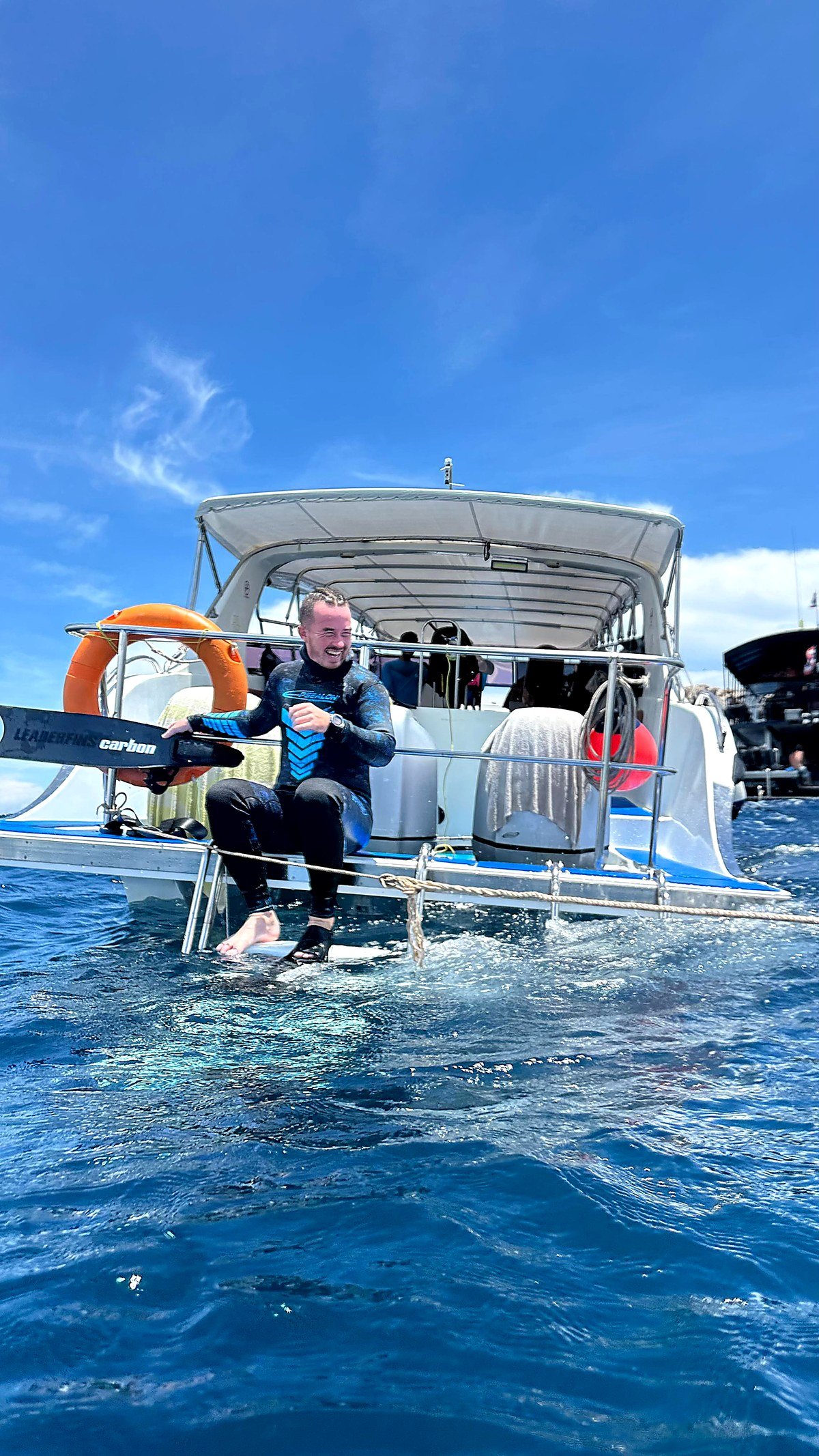
Diego has been teaching freediving from Koh Samui since 2021. He holds instructor certification from Apnea Total and additional credentials across six certification bodies: Oxygen Advantage, Breatheology, International Breathwork Foundation (IBF), Breathing Cold, and GPBA. Plus emergency oxygen administration and first aid.
Learn More →Ready to try freediving?
Message Diego on WhatsApp to check availability for your dates. No deposit needed.
Check Availability on WhatsAppContinue reading
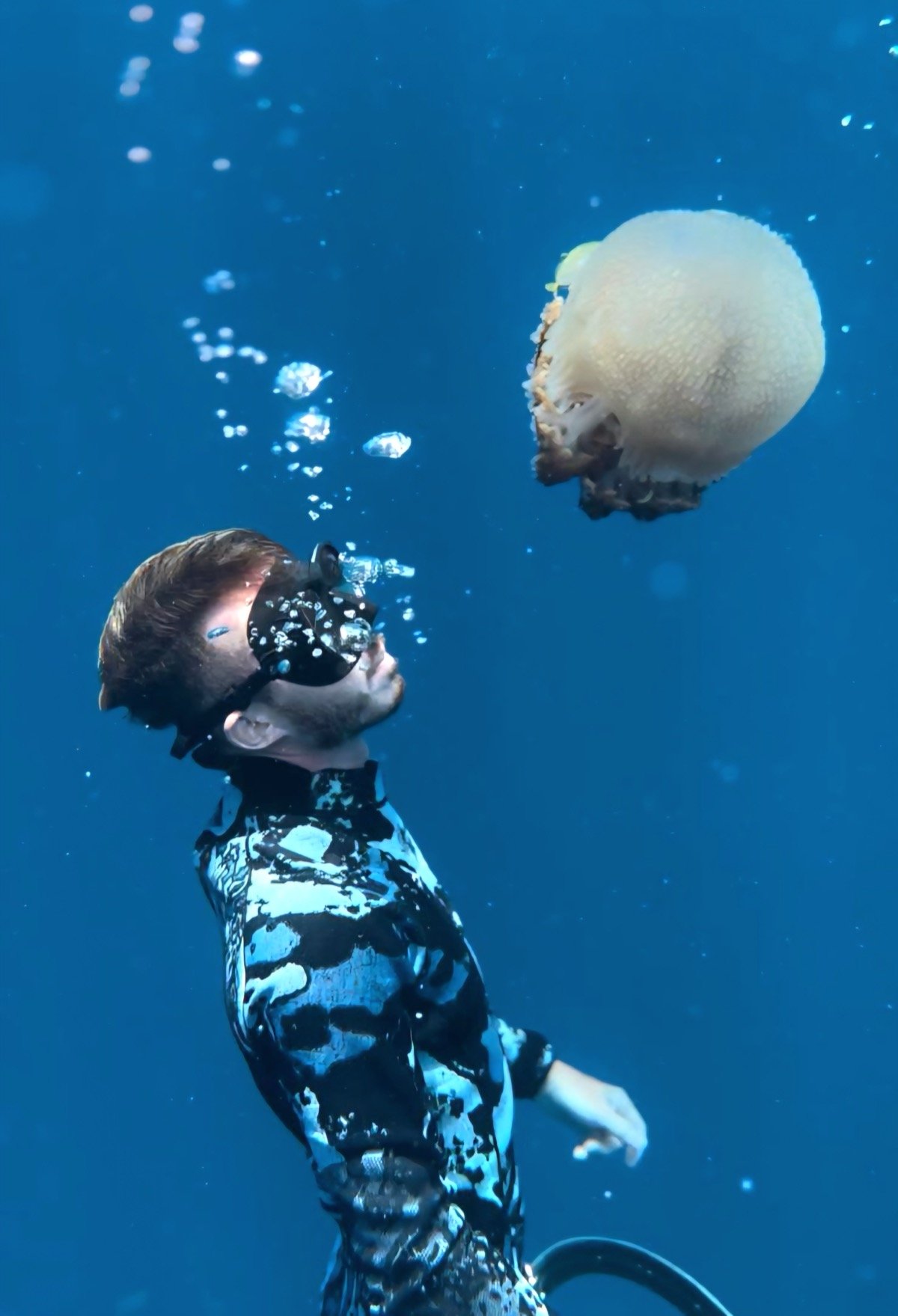
Marine Life You Will See Freediving in the Gulf of Thailand
What marine life can you see freediving in the Gulf of Thailand? Whale sharks, barracuda, sea turtles, batfish, trevally
Read More →
Freediving for Digital Nomads in Koh Samui
Why Koh Samui is the perfect place for digital nomads to learn freediving. Fast wifi, coworking spaces, and world class
Read More →
Can You Freedive If You Are Not a Strong Swimmer?
Can you freedive if you are not a strong swimmer? Honest answer from a Koh Samui instructor: you need basic comfort in d
Read More →