How Yoga and Breathwork Actually Help Your Freediving
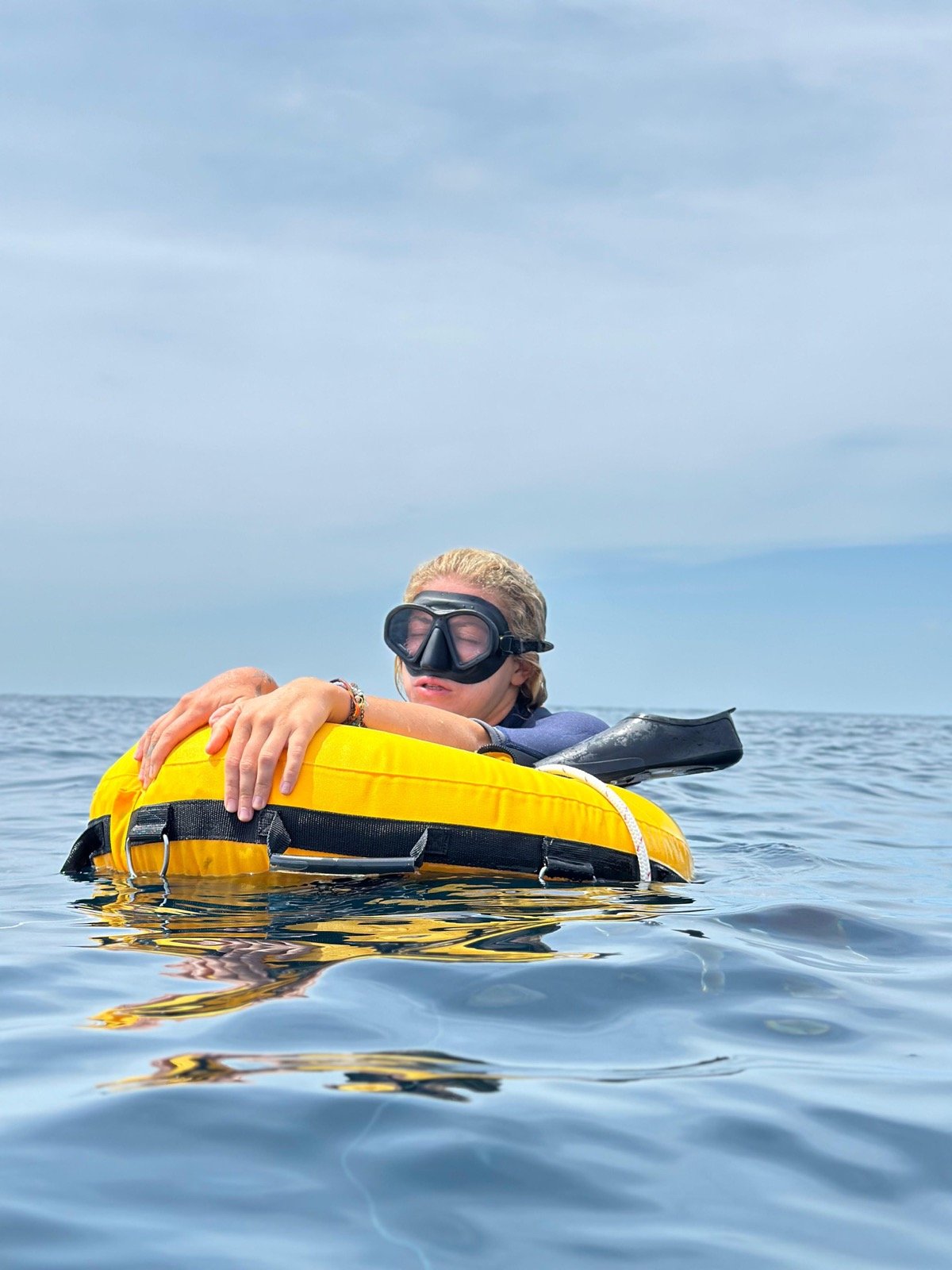
Short answer: yes, yoga and breathwork genuinely help your freediving — but not for the mystical reasons people sometimes claim. They help because they train the three things freediving runs on: deep relaxation, awareness and control of your breath, and the flexibility in your chest and body that makes equalisation and comfort at depth easier. You absolutely do not need either to learn freediving, and I have certified plenty of people who have never done a downward dog in their life. But if you already practise, or you want an edge, they map onto freediving more directly than almost any other land activity. Here is the honest version of why.
I will be straight with you, because there is a lot of woo around this topic. Some of what gets said about yoga and freediving is overblown. But the core of it is real, and it is worth understanding what actually transfers.
Relaxation: the thing freediving is built on
Everything in freediving comes back to relaxation. A relaxed body uses less oxygen, drops its heart rate, and lets the dive reflex do its work. A tense body burns through its breath fast and fights itself the whole way down.
This is exactly the muscle that yoga and breathwork train. Not flexibility for its own sake — the ability to consciously let go of tension, to soften your shoulders and jaw and belly on command. People who practise regularly often find the in-water relaxation comes faster, because they already know what deliberate calm feels like in their own body. If relaxation is the engine of freediving — and it is — then anything that trains it transfers directly.
Breath awareness and control
Breathwork — slow, conscious breathing — overlaps with freediving more obviously than yoga does. In freediving you learn a calm breathe-up before a dive and recovery breaths after it. Someone who already practises slow diaphragmatic breathing arrives with a head start, because they are used to noticing and steering their own breath rather than letting it run on autopilot.
A few honest caveats, though:
- Not all breathwork transfers, and some conflicts. Intense, fast, hyperventilation-style breathwork is the opposite of what you want before a breath-hold dive. Over-breathing before a dive is dangerous. The calm, slow end of breathwork helps; the fast, forceful end does not.
- Breath-holding belongs in the right place. Practising breath-holds is great — but never alone in water, and never combined with the wrong breathing beforehand. The safety rules still apply.
If you want the grounding on what good breathing actually looks like for diving, I cover it properly in breathing techniques for beginners.
Flexibility, especially for equalisation
This is the part people overlook. As you descend, the air in your lungs and chest compresses, and a flexible, supple ribcage and diaphragm handle that far more comfortably than a stiff one. Yoga that opens the chest, the upper back, and the diaphragm genuinely helps you stay relaxed at depth and makes deeper equalisation easier as you progress.
It also helps in smaller, practical ways — a flexible neck and jaw make the equalisation technique itself easier, and an open, mobile body simply moves through the water with less effort. None of this is magic. It is just that a body that bends comfortably is a body that relaxes comfortably underwater.
The mental side — real, but keep it grounded
There is a genuine mental crossover. Both yoga and freediving ask you to stay present, to notice discomfort without panicking, and to sit calmly with sensations rather than reacting to them. That skill — meeting the urge to breathe with calm instead of alarm — is one of the most useful things an experienced yoga or meditation practitioner brings to the line.
But I will keep it honest: this is mental training, not a spiritual superpower. It will not let you hold your breath for ten minutes or descend twice as deep. What it does is help you stay calm when your mind wants to rush, and in freediving, calm is everything.
Do you need any of this to start?
No. Let me be clear, because I do not want anyone reading this to think there is a prerequisite. You can walk into a beginner freediving course with zero yoga and zero breathwork and do completely fine. We teach you the relaxation and breathing you need from scratch. Yoga and breathwork are an enhancement, not an entry requirement.
That said, if you already practise, tell me on the day — it genuinely changes how I coach you, because I can lean on the body awareness you already have. And if you are curious how the calm side of freediving feels before committing to a full course, the Discovery experience is a single supervised day built entirely around relaxing in the water.
So: helpful, yes — directly and honestly so. Essential, no. If you want to talk through how your yoga or breathwork background might fit into learning to dive, message me and I will give you a real answer rather than a sales pitch.
About Diego Pauel
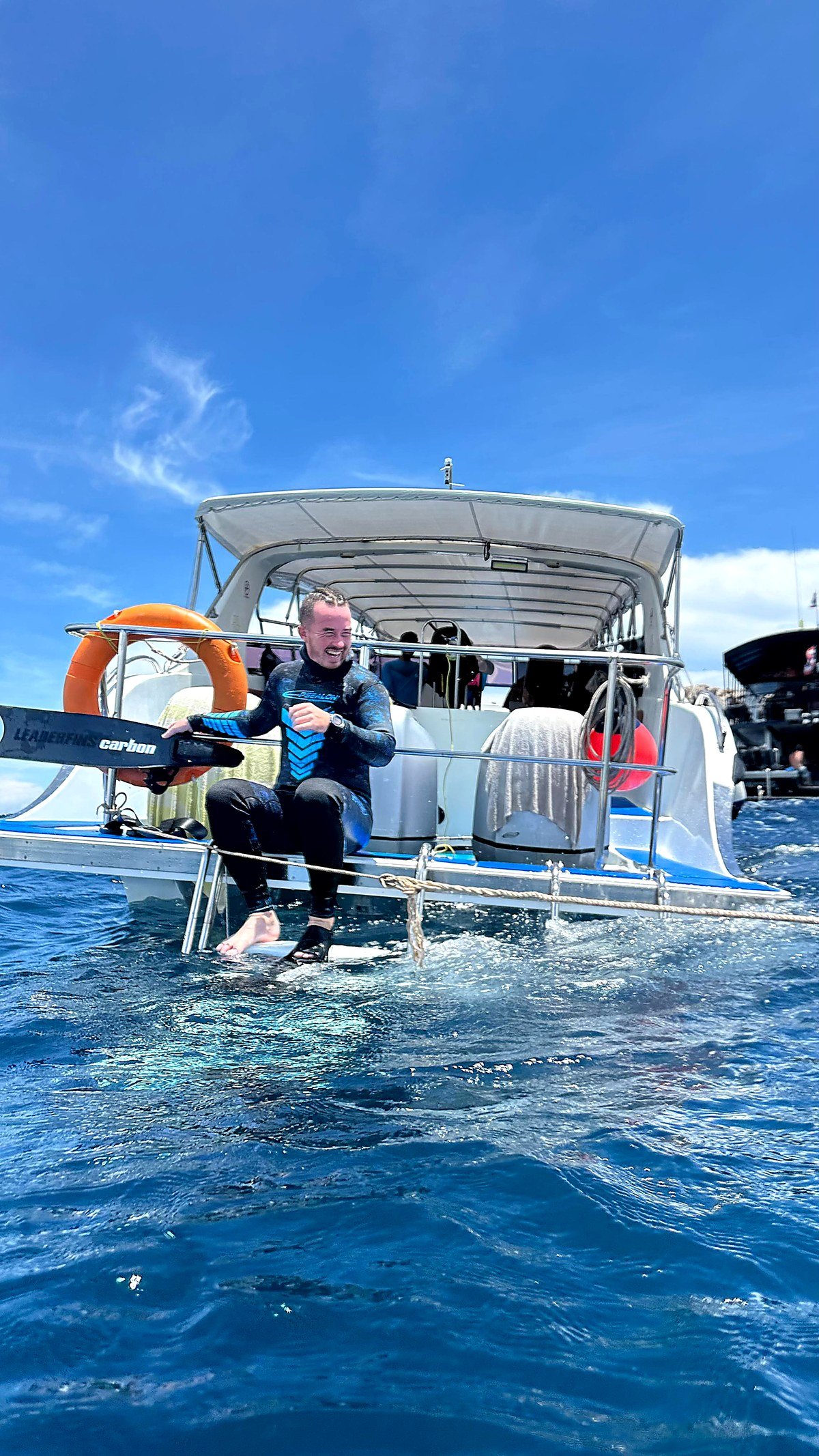
Diego has been teaching freediving from Koh Samui since 2021. He holds instructor certification from Apnea Total and additional credentials across six certification bodies: Oxygen Advantage, Breatheology, International Breathwork Foundation (IBF), Breathing Cold, and GPBA. Plus emergency oxygen administration and first aid.
Learn More →Ready to try freediving?
Message Diego on WhatsApp to check availability for your dates. No deposit needed.
Check Availability on WhatsAppContinue reading
Try Freediving for the First Time in Koh Samui
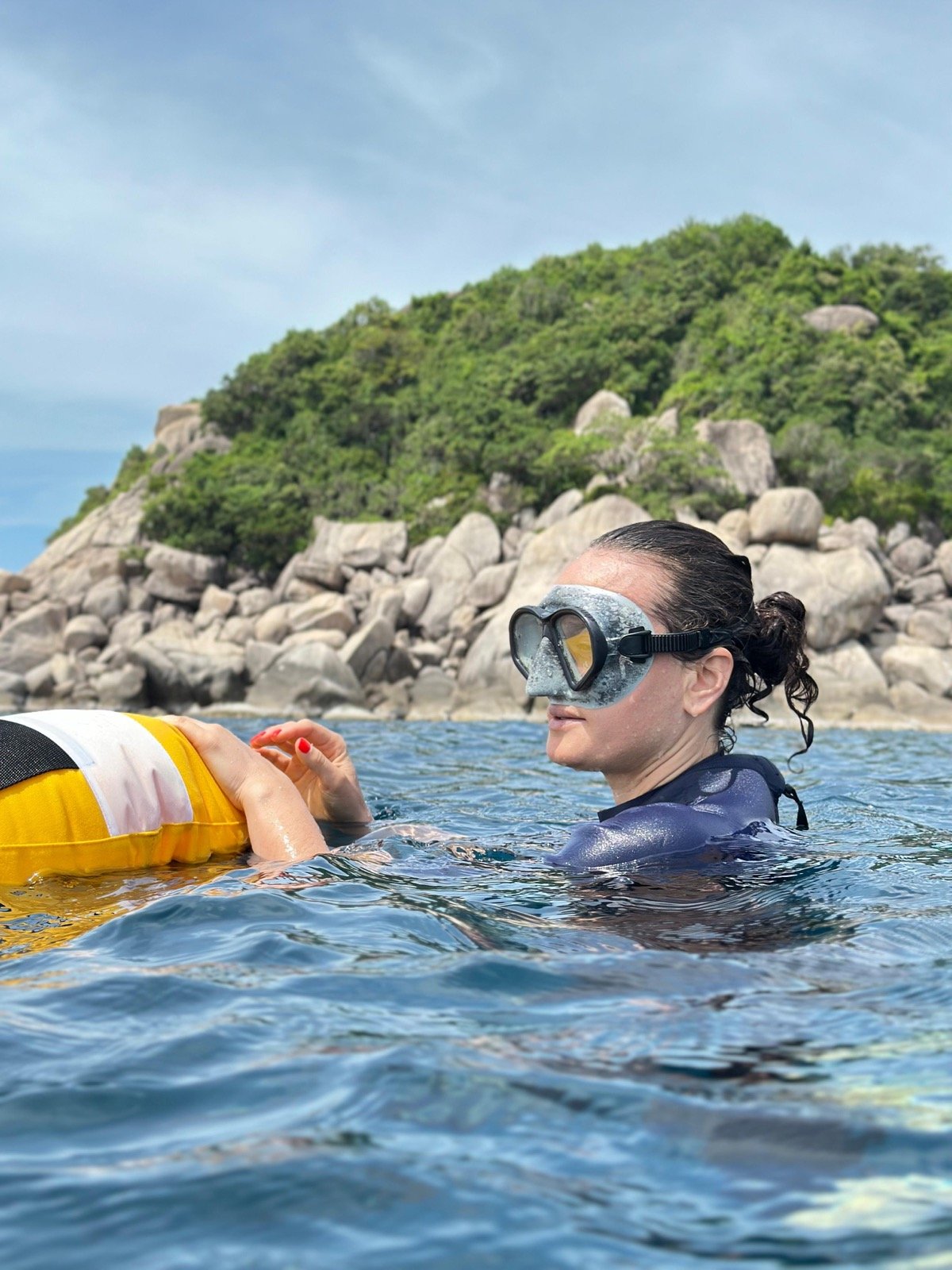
Want to try freediving in Koh Samui? Here is everything you need to know about your first freediving experience, from wh
Read More →
Why I Teach Freediving in Koh Samui
Diego Pauel explains why he teaches freediving on Koh Samui, Thailand. His path through 6 certification bodies, why max
Read More →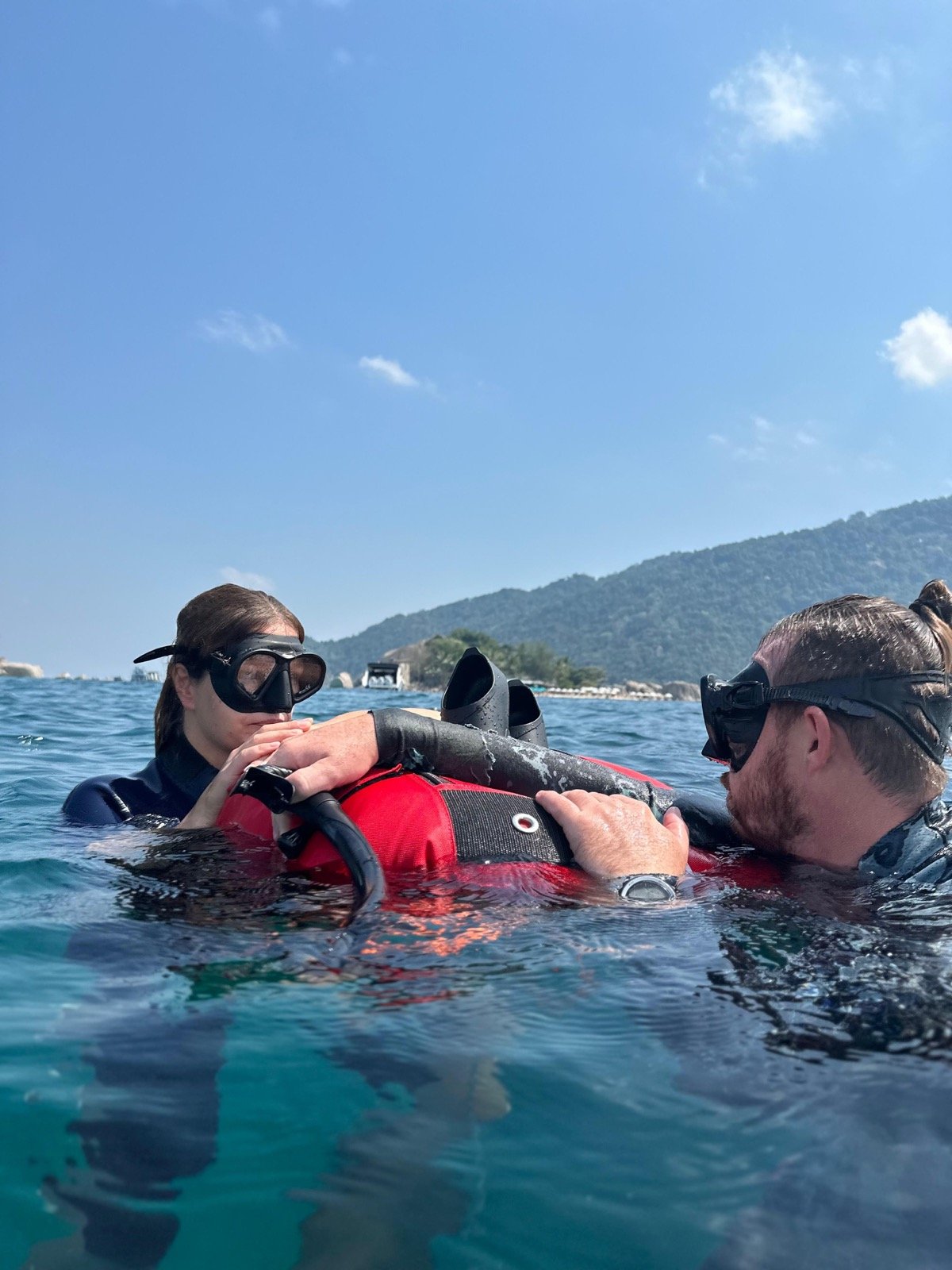
What It Feels Like to Freedive for the First Time
An honest, sensory account of what your first freedive actually feels like. The nerves, the silence at depth, the surpri
Read More →