The Mammalian Dive Reflex: Why Your Body Is Built for Freediving
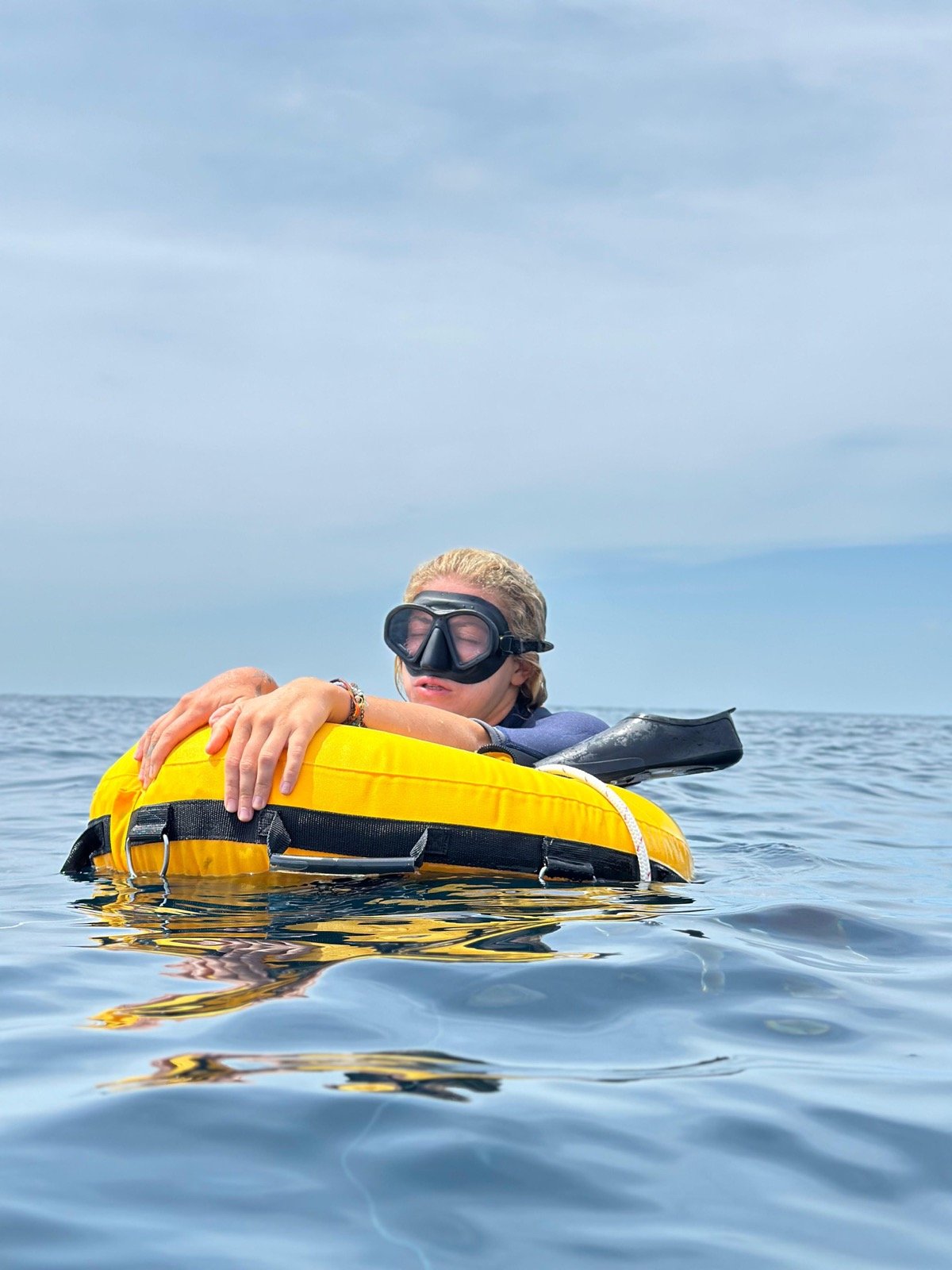
Short answer: the mammalian dive reflex is a set of automatic responses your body switches on when you hold your breath and put your face in cool water — your heart rate drops, blood is redirected away from your limbs toward your core and brain, and your body becomes far more efficient with the oxygen it has. It is the same reflex that lets seals and dolphins stay down for long stretches, and you have it too. You do not have to learn it or trigger it deliberately; you have to relax enough to let it happen. When freedivers say the sport is more mental than physical, this is a big part of what they mean — the body is already built for this, and the work is mostly getting out of its way.
This is my favourite thing to explain to beginners, because it reframes the whole sport. You are not fighting your body's limits when you freedive. You are switching on a system that evolution put there on purpose. Here is how it works.
The three things your body does automatically
The mammalian dive reflex is really three responses working together, all triggered by breath-holding and cool water on the face:
- Bradycardia — your heart slows down. Within seconds of putting your face in water and holding your breath, your heart rate drops. In a relaxed, trained freediver it can fall significantly below their resting rate. A slower heart burns less oxygen and circulates the oxygen you have more carefully, which directly extends how long you can comfortably stay down.
- Peripheral vasoconstriction — blood shifts inward. The blood vessels in your arms, legs, and skin tighten, pulling blood away from the limbs and toward your heart, lungs, and brain. Your body is making a quiet decision: the extremities can wait, the vital organs cannot. This protects your brain and keeps oxygenated blood where it matters most.
- Blood shift — your lungs adapt to pressure. As you go deeper and pressure squeezes your lungs, blood plasma moves into the chest and into the tiny vessels around the lungs. This fills the space that would otherwise collapse and protects the lungs at depths that would once have been thought impossible. It is the single biggest reason humans can freedive far deeper than the old physiology textbooks ever predicted.
All three happen without you doing anything. Your only job is to be calm enough not to override them.
Why humans have this at all
People are sometimes surprised that humans share this reflex with seals, whales, and dolphins. We are not built like them — but we are mammals, and the dive reflex is ancient mammalian wiring that we never lost. It is strongest in babies, who will instinctively hold their breath and slow their heart when their face touches water, and it stays with us through life. Freediving simply taps into something that has been there since before you were born.
This is why it is genuinely true that the human body is built for the water in a way most people never discover. You are not overriding your physiology to freedive. You are using a system that has been waiting, unused, your whole life.
Relaxation is the switch
Here is the part that matters most for your actual dives: the dive reflex works best when you are relaxed, and it is blunted when you are stressed. Fear and tension trigger your fight-or-flight response, which does the exact opposite of the dive reflex — it raises your heart rate and burns oxygen. So an anxious freediver is fighting their own body, while a calm one is being helped by it.
This is why so much of freediving training is really relaxation training. The slow diaphragmatic breathing techniques we use before a dive are not just about loading oxygen — they shift your nervous system into the calm, parasympathetic state where the dive reflex switches on fully. Cool water on the face helps. A slow, unhurried descent helps. Tension, rushing, and fear all work against you. The skill you are really building is the ability to stay calm, and the reflex rewards you for it.
What this means for you as a beginner
The practical takeaway is reassuring: you do not need to be an athlete or have huge lungs to freedive comfortably. You need to relax enough to let your body do what it already knows how to do. Most beginners are astonished by how much longer and calmer their breath holds become once they stop fighting and let the reflex take over — it usually happens within the first day or two of proper training. If you are curious how quickly people progress, I wrote about how long it takes to learn freediving.
None of this changes the one rule, though: the dive reflex makes freediving feel easy, and that is exactly why you must always dive with a trained buddy. Feeling comfortable is not the same as being safe — one person dives, one person watches, always. The reflex is a gift, not a substitute for the buddy system.
If you want to feel your own dive reflex switch on — that strange, calm slowing-down the first time you really relax underwater — the Discovery experience is a single supervised day to try it, and the beginner course teaches you how to deliberately bring on that calm state on every dive. Message me if you want to talk it through first. It is honestly one of the best feelings the human body can produce, and almost nobody knows they have it.
About Diego Pauel
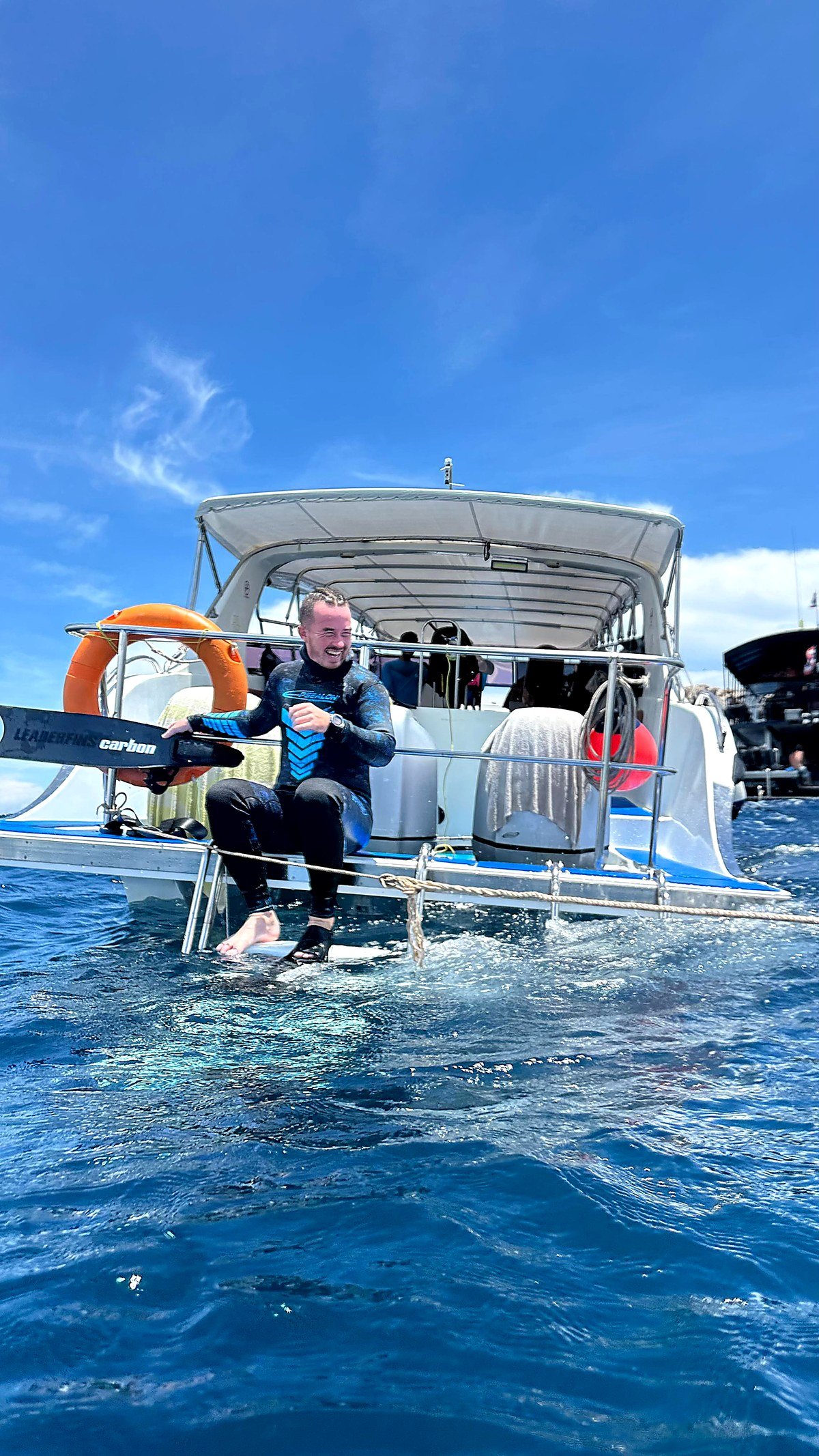
Diego has been teaching freediving from Koh Samui since 2021. He holds instructor certification from Apnea Total and additional credentials across six certification bodies: Oxygen Advantage, Breatheology, International Breathwork Foundation (IBF), Breathing Cold, and GPBA. Plus emergency oxygen administration and first aid.
Learn More →Ready to try freediving?
Message Diego on WhatsApp to check availability for your dates. No deposit needed.
Check Availability on WhatsAppContinue reading
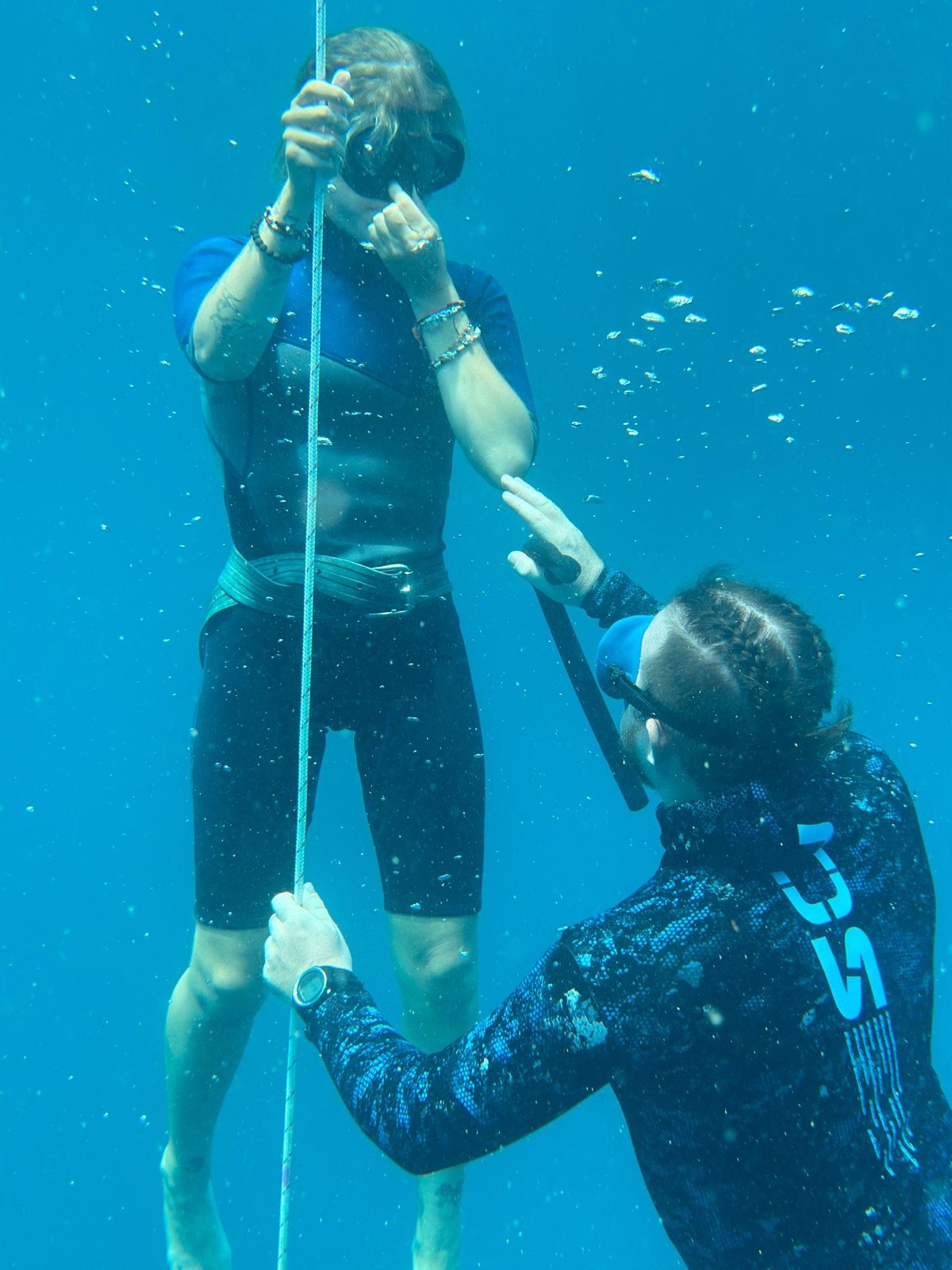
The Freediving Duck Dive: How to Get Under the Surface Without Wasting Energy
The duck dive is the first thing every freediver gets wrong and the easiest thing to fix. Here is exactly how to drop un
Read More →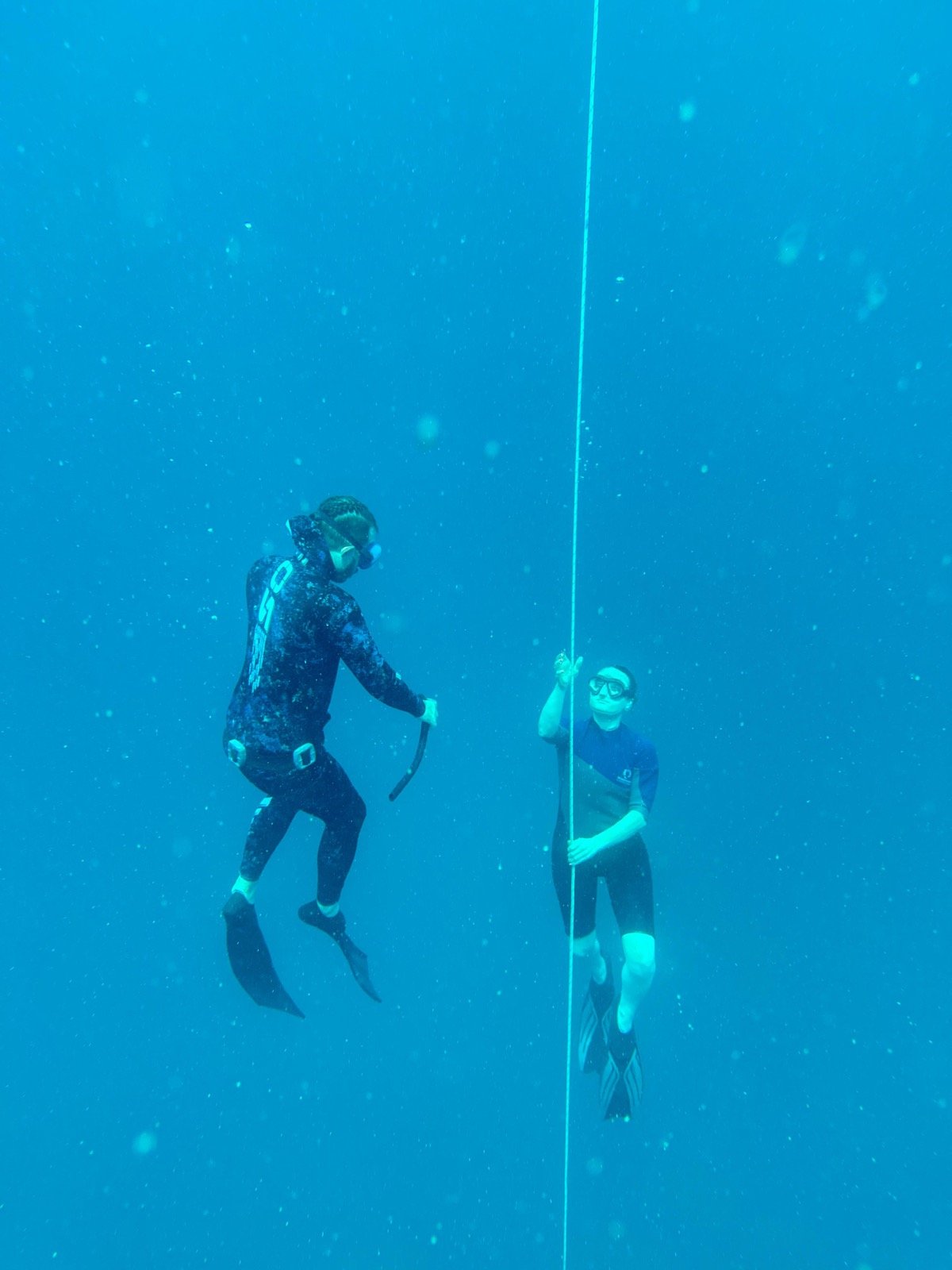
Freediving Finning Technique: How to Kick From the Hip and Stop Wasting Oxygen
Most beginners burn through their breath hold by kicking wrong — bending the knees, kicking too hard, and fighting the
Read More →
Mouthfill Equalization for Freediving, Explained
What is mouthfill equalization in freediving? An honest explanation from a Koh Samui instructor: it is the advanced tech
Read More →